Introduction
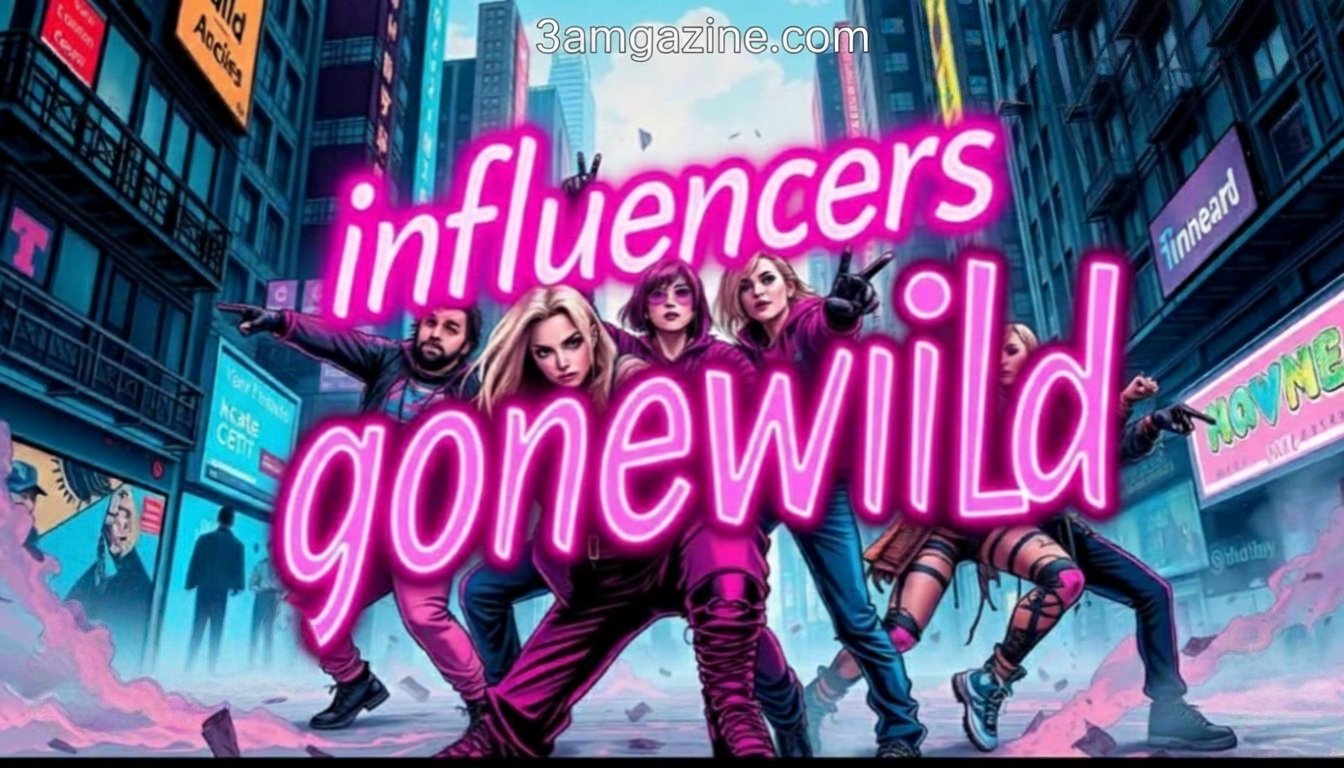
The internet moves fast, but some moments feel faster than the rest. InfluencersGoneIWLD is one of those phrases that suddenly appeared across feeds, group chats, and comment sections, pulling people into conversations about fame, behavior, and accountability. At its core, influencersgoneiwld reflects a growing fascination with what happens when online creators cross lines, lose control, or deliberately push boundaries in public view. This topic matters because influencers shape opinions, trends, and even values, and their actions ripple far beyond a single post or video. In this article, you’ll explore what influencersgoneiwld really means, where it came from, why it resonates so strongly, and what creators and audiences can learn from it.
What Is InfluencersGoneIWLD?
InfluencersGoneIWLD is a term used to describe moments when social media influencers act in shocking, reckless, or wildly controversial ways. Sometimes it points to genuine meltdowns. Other times, it highlights calculated stunts meant to grab attention at any cost. Either way, the phrase captures a shared online reaction: disbelief mixed with curiosity.
The word “iwld” is often read as a stylized version of “wild,” emphasizing how far removed these actions are from everyday norms. The term doesn’t belong to one platform or genre. It pops up around lifestyle creators, gamers, beauty personalities, fitness coaches, and even educators. That wide reach is part of its power.
A Quick Overview of the InfluencersGoneIWLD Phenomenon
Before diving deeper, it helps to see the topic at a glance.
| Aspect | Details |
|---|---|
| Core meaning | Publicly extreme or controversial influencer behavior |
| Common platforms | Instagram, TikTok, YouTube, X |
| Typical triggers | Fame pressure, audience demands, monetization |
| Public reaction | Shock, memes, criticism, debate |
| Long-term impact | Reputation shifts, career changes |
This overview shows that influencersgoneiwld is less about one incident and more about a pattern of online behavior.
How the InfluencersGoneIWLD Trend Emerged
The rise of influencersgoneiwld didn’t happen overnight. It grew alongside the influencer economy itself. As creators gained larger audiences, expectations rose. Every post needed to be bigger, bolder, and more engaging than the last.
In the early days, authenticity was enough. Later, competition intensified. Some influencers felt pushed to escalate their content, sometimes ignoring personal limits or social responsibility. Over time, audiences began grouping these moments under one label, and the term stuck.
The Psychology Behind Influencers Going “Wild”
Fame changes people, especially when it arrives quickly. Influencers often experience intense validation through likes, comments, and shares. That constant feedback loop can distort judgment.
There’s also performance pressure. When attention becomes a currency, shocking behavior can feel rewarding. Influencersgoneiwld moments often reflect a mix of burnout, entitlement, and fear of irrelevance. The screen becomes a stage, and the line between real life and performance blurs.
Audience Fascination and Digital Spectatorship
Why do people watch when influencers spiral? Part of it is human nature. Audiences have always been drawn to drama, from ancient plays to modern reality shows. Social media simply made it interactive.
With influencersgoneiwld, viewers don’t just watch. They comment, remix, and share. Some feel concern. Others feel judgment. Many feel entertained, even if they won’t admit it. This collective reaction fuels the cycle, turning personal moments into viral spectacles.
When InfluencersGoneIWLD Becomes a Brand Risk
For influencers, going “wild” can be costly. Brands look for reliability and trust. A single controversial moment can undo years of careful image-building.
There are cases where influencers lost partnerships overnight after offensive remarks or dangerous stunts. In a few instances, creators leaned into the chaos and rebranded successfully. Still, that path is risky and rare. Most learn the hard way that attention doesn’t always equal respect.
Cultural Impact Beyond Social Media
InfluencersGoneIWLD isn’t just internet gossip. It reflects broader cultural tensions around fame, accountability, and mental health. Influencers are often treated like friends, yet judged like celebrities.
This phenomenon also raises questions about boundaries. How much access should audiences have to a creator’s personal struggles? When does transparency become exploitation? These debates shape how digital culture evolves.
Case Study: When Shock Backfires
Consider a lifestyle influencer who built a following around positivity. During a live stream, they lashed out at critics, using language that shocked viewers. Clips spread rapidly, labeled influencersgoneiwld.
The immediate attention was massive. Views spiked. But within weeks, sponsors withdrew, and followers left. The creator later admitted the outburst came from stress and exhaustion. The episode became a cautionary tale about unchecked pressure and public breakdowns.
Is InfluencersGoneIWLD Always Negative?
Not always. Sometimes the label is applied unfairly to creators who challenge norms or speak uncomfortable truths. Bold opinions can be mistaken for chaos.
However, the difference lies in intent and impact. Constructive disruption invites dialogue. Reckless behavior invites backlash. Understanding that distinction helps audiences respond more thoughtfully.
Lessons for Aspiring and Established Influencers
Influencersgoneiwld moments offer lessons worth noting. Creators need boundaries, support systems, and realistic expectations. Fame doesn’t remove accountability.
Audiences also play a role. Rewarding extreme behavior with attention encourages repetition. Choosing what to amplify shapes the culture everyone shares.
The Future of InfluencersGoneIWLD
As platforms evolve, so will this phenomenon. Tools for moderation and creator wellness are improving, but pressure remains. InfluencersGoneIWLD will likely continue appearing, though its form may change.
What matters is awareness. Recognizing the patterns helps creators avoid pitfalls and helps viewers engage with empathy rather than pure judgment.
Conclusion
InfluencersGoneIWLD captures more than shocking clips or viral scandals. It reflects the complex relationship between creators, audiences, and digital fame. From psychological pressures to cultural expectations, this phenomenon shows how easily online success can tip into chaos. By understanding its roots and consequences, readers gain insight into modern influence and responsibility. The takeaway is simple but powerful: attention is fleeting, but integrity lasts. Choosing balance over extremes benefits creators and communities alike.
Frequently Asked Questions (FAQs)
What does influencersgoneiwld actually mean?
It refers to situations where influencers behave in extreme, reckless, or highly controversial ways in public online spaces.
Is influencersgoneiwld a platform or a hashtag?
It’s not a formal platform. It’s a phrase or label used across multiple social networks to describe certain behaviors.
Why do influencers sometimes act this way?
Common reasons include pressure to stay relevant, burnout, and the constant demand for attention and engagement.
Can an influencer recover after going “wild”?
Yes, recovery is possible, but it usually requires accountability, transparency, and meaningful change over time.
How should audiences respond to influencersgoneiwld content?
Viewers can choose empathy, avoid amplifying harm, and support healthier creator behavior.