Introduction
Harmonicode sport is an emerging concept that blends rhythm, coordination, and physical performance into a unified athletic experience. At its core, it explores how patterned movement, timing, and internal “codes” of motion can elevate both competitive and recreational sports. In a world where training often focuses on raw strength or endurance alone, harmonicode sport introduces a more holistic way of thinking—one that values harmony between mind, body, and motion. This article explores what harmonicode sport truly means, where it came from, how it’s applied across disciplines, and why it matters for athletes, coaches, creators, and everyday movers alike.
Rather than belonging to a single game or league, harmonicode sport acts as a framework. It connects music, biomechanics, psychology, and sport science into a shared language of performance. By the end, you’ll understand how this idea reshapes training, enhances enjoyment, and opens doors to new forms of athletic expression.
Understanding the Core Idea of Harmonicode Sport
Harmonicode sport is built on the belief that movement follows patterns similar to rhythm and harmony in music. Every athlete, whether a sprinter, dancer, or martial artist, operates within a personal movement “code.” This code reflects timing, flow, balance, and response.
Instead of treating motion as isolated actions, harmonicode sport views performance as a sequence of connected rhythms. A basketball player’s dribble, pivot, and shot form a flowing pattern. A swimmer’s stroke cycles repeat with subtle variations. When these patterns are aligned, movement feels efficient and almost effortless.
What makes this idea powerful is its universality. It doesn’t replace existing sports. It overlays them with a new lens, helping participants recognize and refine the rhythm already present in what they do.
The Origins and Evolution of the Concept
The roots of harmonicode sport can be traced to multiple disciplines rather than a single inventor. Movement philosophers, dance theorists, and sports scientists have long noted that elite performance often looks “musical.” Coaches describe athletes as being “in rhythm” or “out of sync.”
Over time, this observation evolved into a structured concept. Training programs began incorporating metronomes, music-guided drills, and pattern recognition exercises. Martial arts forms, yoga flows, and even team sports drills showed that when timing and harmony were emphasized, learning accelerated.
As wearable technology advanced, data confirmed what intuition suggested. Athletes who maintained consistent rhythmic patterns often showed better efficiency, fewer injuries, and stronger mental focus. Harmonicode sport emerged as a way to name and organize these insights.
A Quick Overview of the Harmonicode Framework
To make the idea more concrete, the table below summarizes the foundational elements often discussed within harmonicode sport.
| Element | Description | Practical Impact |
|---|---|---|
| Rhythm | Repeating timing patterns in movement | Improves consistency and flow |
| Harmony | Balance between muscle groups and motion | Reduces wasted energy |
| Code | Personalized movement signature | Supports individual training |
| Feedback | Sensory and data-driven cues | Speeds up skill refinement |
This framework isn’t rigid. It adapts to different bodies, sports, and goals, which is why it resonates across such a wide range of activities.
How Harmonicode Sport Applies Across Athletic Disciplines
One of the strengths of harmonicode sport is its flexibility. It doesn’t demand a new sport be invented. Instead, it enhances what already exists.
In team sports, shared rhythm builds cohesion. Think of synchronized defensive shifts in soccer or perfectly timed passes in hockey. When players internalize a collective tempo, communication becomes almost instinctive.
In individual sports, the focus shifts inward. Runners find a cadence that matches breathing and stride. Gymnasts refine sequences until each movement flows seamlessly into the next. Even strength sports benefit when lifts follow controlled, repeatable tempos.
Recreational fitness also gains from this approach. Group classes that emphasize rhythm often feel more engaging. Participants report being less fatigued and more motivated, not because the workout is easier, but because movement feels more natural.
The Science Behind Rhythm and Performance
From a physiological perspective, rhythmic movement helps the nervous system operate efficiently. The brain predicts what comes next, reducing reaction time and cognitive load. Muscles fire in coordinated sequences rather than chaotic bursts.
Psychologically, rhythm creates a state of focus often described as “flow.” In this state, athletes feel fully immersed, confident, and present. Errors decrease, and enjoyment rises. This isn’t accidental; it’s the brain responding to predictable yet flexible patterns.
Research in motor learning shows that skills practiced with rhythmic cues are retained longer. The body remembers patterns more easily than isolated commands. Harmonicode sport leverages this by embedding learning into movement itself.
Training Methods Inspired by Harmonicode Sport
Training within this framework looks familiar but feels different. Drills are often slower at first, allowing athletes to sense timing and balance. Speed increases only after rhythm is established.
Music is sometimes used, but it’s not required. Breathing patterns, counting, or internal cues can serve the same purpose. The goal is awareness, not distraction.
Coaches adopting harmonicode sport principles often report fewer corrections are needed. Athletes self-adjust when they feel the rhythm break. This builds autonomy and confidence over time.
Case Study: Rhythm-Based Training in Youth Athletics
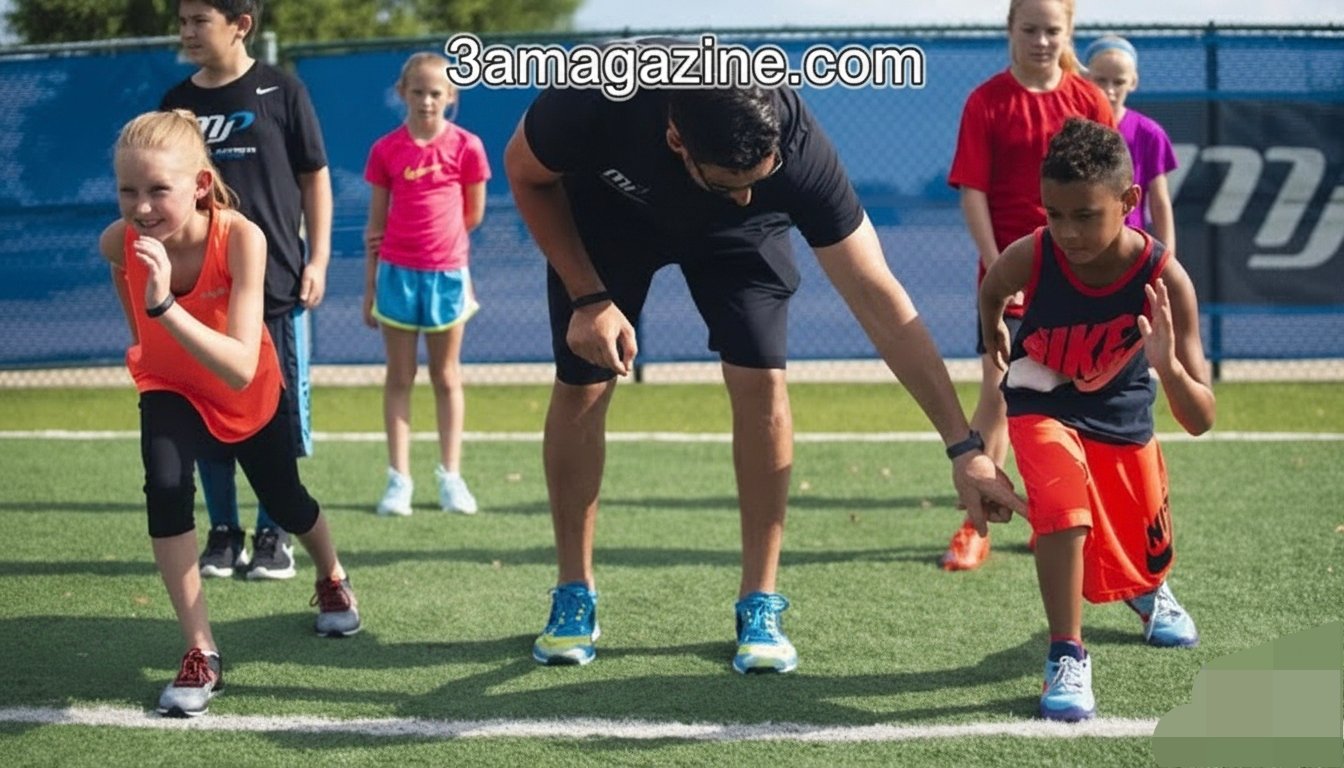
A youth sports academy introduced rhythm-focused drills across multiple programs. Instead of pushing intensity early, sessions began with patterned warm-ups emphasizing timing and coordination.
After one season, coaches noticed improvements beyond expectations. Injury rates declined, particularly overuse injuries. Athletes learned new skills faster and showed greater enthusiasm for practice. Parents reported their children talked about training with excitement rather than dread.
The success wasn’t tied to winning more games, although performance did improve. It stemmed from athletes feeling connected to their movement, a core promise of harmonicode sport.
Technology and the Future of Harmonicode Sport
Modern technology is accelerating interest in this concept. Wearable sensors track cadence, balance, and symmetry. Apps translate data into visual or auditory feedback, helping athletes recognize their movement codes.
Virtual and augmented reality also play a role. Simulated environments can guide users through rhythmic patterns, adjusting difficulty in real time. This makes advanced training accessible beyond elite facilities.
As these tools evolve, harmonicode sport may become a common language across coaching, therapy, and fitness. The emphasis will remain human-centered, using technology to support awareness rather than replace it.
Comparing Traditional Training and Harmonicode-Based Approaches
The table below highlights key differences in philosophy and experience.
| Aspect | Traditional Approach | Harmonicode Sport Approach |
|---|---|---|
| Focus | Output and results | Process and flow |
| Feedback | External correction | Internal awareness |
| Progression | Linear and segmented | Pattern-based and adaptive |
| Experience | Effort-driven | Engagement-driven |
Neither approach is inherently wrong. However, many programs find that integrating harmonicode principles creates more sustainable progress.
Cultural and Creative Dimensions of Harmonicode Sport
Beyond performance metrics, harmonicode sport touches culture and creativity. Movement becomes a form of expression rather than just execution. This resonates strongly with disciplines like parkour, freestyle skating, and hybrid fitness-dance forms.
Communities built around these activities often emphasize inclusion and exploration. There’s room for individuality, experimentation, and shared rhythm. Competition still exists, but it’s balanced by collaboration.
This cultural layer may be why the concept continues to spread. It aligns with modern values that prioritize well-being, creativity, and connection alongside achievement.
Challenges and Misconceptions
Despite its promise, harmonicode sport is sometimes misunderstood. Some assume it’s only about music or dance, which limits its perceived relevance. Others worry it lacks structure.
In reality, the framework can be as structured or open as needed. It complements existing training rather than replacing it. The key challenge lies in education—helping practitioners understand how to apply the ideas thoughtfully.
As with any approach, superficial adoption can dilute impact. True benefits emerge when rhythm and harmony are integrated consistently, not treated as a novelty.
Conclusion
Harmonicode sport offers a fresh yet deeply intuitive way to understand athletic movement. By recognizing rhythm, harmony, and personal movement codes, athletes unlock efficiency, focus, and enjoyment. This framework applies across competitive, recreational, and creative contexts, making it both versatile and inclusive.
The importance of harmonicode sport lies not in redefining sports, but in reconnecting people with how they move. When movement feels coherent and expressive, performance improves naturally. For coaches, athletes, and everyday movers, the takeaway is simple: listen to your rhythm, respect your patterns, and let harmony guide progress.
Frequently Asked Questions (FAQs)
What exactly is harmonicode sport?
Harmonicode sport is a movement framework that emphasizes rhythm, harmony, and personalized patterns within physical activity. It enhances existing sports rather than creating a new one.
Is harmonicode sport only for professional athletes?
No, it’s suitable for all levels. Beginners often benefit the most because rhythmic awareness speeds up learning and builds confidence.
Does harmonicode sport require music?
Music can help, but it’s not required. Breathing, counting, or internal cues can also establish rhythm effectively.
Can harmonicode sport reduce injuries?
Many programs report fewer injuries because balanced, rhythmic movement reduces unnecessary strain and overuse.
How can someone start applying harmonicode sport ideas?
Start by slowing down movements, noticing timing and flow, and practicing consistency before increasing intensity.