
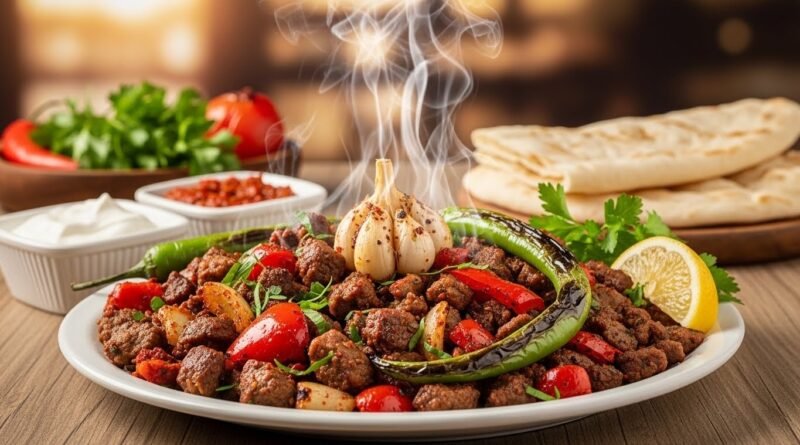
Discovering Cevurı: The Hidden Gem of Turkish Cuisine
Nestled within the vibrant tapestry of Turkish cuisine lies a hidden gem that has yet to capture the hearts and palates of many outside its local realm: cevurı. This delightful dish, often overshadowed by more mainstream favorites like kebabs and baklava, offers a unique culinary experience that deserves your attention. Picture tender morsels infused with aromatic spices and cooked to perfection—each bite transports you on a journey through Turkey’s rich culinary history.
As food enthusiasts increasingly seek out authentic experiences, cevurı presents an enticing opportunity to explore something new. Whether you’re a seasoned foodie or just curious about different cuisines, this article will take you deeper into the world of cevurı. Discover its origins, ingredients, variations, health benefits, and even tips for making it at home. Join us as we unravel the secrets behind this deliciously intriguing dish!
Cevurı is a culinary treasure waiting to be discovered. Originating from various regions of Turkey, it showcases the rich diversity of flavors that define Turkish cuisine. This dish might not yet grace every menu around the world, but its authenticity captivates those who seek something extraordinary.
You Might Also Like: Can You Eat Coconut Crabs?
The magic lies in its traditional preparation methods and unique ingredients. Cevurı often features succulent meats, aromatic spices, and fresh herbs that blend harmoniously to create unforgettable flavors. Each bite reveals stories of generations passed down through families and communities.
As more travelers explore global cuisines, cevurı stands out as an authentic taste experience. It invites food lovers on a journey through Turkey’s cultural landscape. The moment you savor this hidden gem, you’ll understand why it deserves your attention on your next culinary adventure!
The Origins and History of Cevurı
Cevurı traces its roots back to the rich culinary traditions of Turkey, particularly in regions like the Black Sea and Central Anatolia. This dish emerged as a way for communities to utilize local ingredients while celebrating agricultural abundance. Its origins reflect the resourcefulness of Turkish cooks throughout history.
Historically, cevurı was often made during special occasions or gatherings, showcasing family recipes passed down through generations. The preparation methods varied by region, influenced by climate and available resources. As trade routes expanded, so did variations of this beloved dish.
Over time, cevurı evolved from humble beginnings into a cherished staple in many households. Today it continues to be embraced not just as food but also as a cultural symbol that connects past and present culinary practices in Turkey.
Traditional Ingredients Used in Cevurı
Cevurı is a delightful dish rooted in traditional Turkish cuisine, and its flavor profile comes from carefully selected ingredients. At the heart of cevurı are tender cuts of beef or lamb, marinated to perfection. This meat provides a rich foundation that enhances every bite.
Complementing the meat are aromatic spices like cumin, black pepper, and paprika. These seasonings add depth and warmth to the dish. The balance of flavors transforms simple ingredients into something extraordinary.
Vegetables also play an essential role in cevurı’s composition. Onions and tomatoes contribute sweetness and acidity, while fresh herbs like parsley brighten up each serving. Together, these components create a deliciously harmonious experience that reflects the culinary traditions of Turkey.
Modern Variations and Adaptations of Cevurı
Modern variations of cevurı showcase the creativity and innovation in contemporary Turkish cuisine. Chefs are experimenting with flavors, incorporating ingredients from around the world. This fusion approach has led to exciting new interpretations that appeal to diverse palates.
Some cooks add spices like curry or paprika for an unexpected kick, while others incorporate seasonal vegetables for enhanced freshness. There’s also a growing trend of serving cevurı as part of gourmet appetizers at upscale restaurants, elevating its status on menus globally.
Plant-based versions have emerged too, appealing to those seeking vegetarian or vegan options. These adaptations often substitute traditional meats with tofu or legumes but maintain the essence and heartiness of this beloved dish. Each variation honors the original while inviting culinary exploration and enjoyment.
Health Benefits of Cevurı
Cevurı is more than just a delicious dish; it also boasts impressive health benefits. Made from fresh ingredients, it often includes lean meats and vegetables. This combination provides essential nutrients that support overall wellness.
Rich in protein, cevurı can aid muscle repair and growth. Additionally, the vegetables used are often packed with vitamins and minerals that contribute to healthy skin and improved digestion. The balance of flavors makes it not only satisfying but nutritious as well.
The spices commonly found in cevurı may offer anti-inflammatory properties too. Ingredients like garlic or cumin can boost immunity while enhancing flavor at the same time. Enjoying this dish allows you to indulge without sacrificing your health goals.
Making Authentic Cevurı at Home
Making authentic cevurı at home is a delightful experience. Start with fresh ingredients, as quality plays a crucial role in this dish. You’ll need succulent lamb or beef, vibrant vegetables like bell peppers and tomatoes, and aromatic spices such as cumin and paprika.
Preparation begins with marinating your meat to enhance flavor. Combine olive oil, garlic, salt, and your chosen spices for the marinade. Let it sit for at least an hour—overnight if possible—for deeper flavors that tantalize the taste buds.
Once marinated, cook the meat in a hot pan until browned. Add your veggies towards the end to maintain their crunchiness. Serve cevurı hot alongside rice or bread for a hearty meal that captures Turkish culinary traditions beautifully. Enjoy sharing this hidden gem with family and friends!
Where to Find the Best Cevurı Worldwide
For anyone craving authentic cevurı, Turkey is the ultimate destination. Cities like Istanbul and Ankara boast numerous eateries specializing in this delightful dish. Local restaurants often prepare it with family recipes that have been passed down through generations, ensuring an unforgettable taste.
Beyond Turkey’s borders, cevurı has gained popularity in various global cities. Places like Berlin and London feature Turkish restaurants where culinary experts serve up their own takes on this classic. These establishments typically blend traditional methods with local ingredients to create unique variations.
In addition to dedicated Turkish spots, some fusion restaurants around the world are experimenting with cevurı. They incorporate innovative twists while maintaining its essence. This trend allows food lovers everywhere to discover new flavors inspired by a beloved Turkish staple.
The Cultural Significance and Global Interest in Cevurı
Cevurı is more than just a dish; it’s a cultural treasure that reflects the rich tapestry of Turkish culinary heritage. Rooted in tradition, its preparation often involves families gathering together, sharing stories and creating memories around the table. This communal aspect adds depth to every bite.
As global interest in diverse cuisines grows, cevurı has found its place beyond Turkey’s borders. Food enthusiasts worldwide are eager to explore authentic flavors and traditional recipes from different cultures. Cevurı stands out as an exquisite representation of Turkish cuisine, appealing to those seeking something unique yet comforting.
Restaurants specializing in authentic Turkish dishes have started featuring cevurı on their menus, introducing it to new audiences who appreciate both its taste and cultural significance. As more people discover this hidden gem, there’s hope that cevurı will continue garnering appreciation across continents—an emblem of culinary exploration where food connects us all through heritage and shared experiences.