Blog
Caricatronchi: The Essential Guide to Forestry Log Loaders

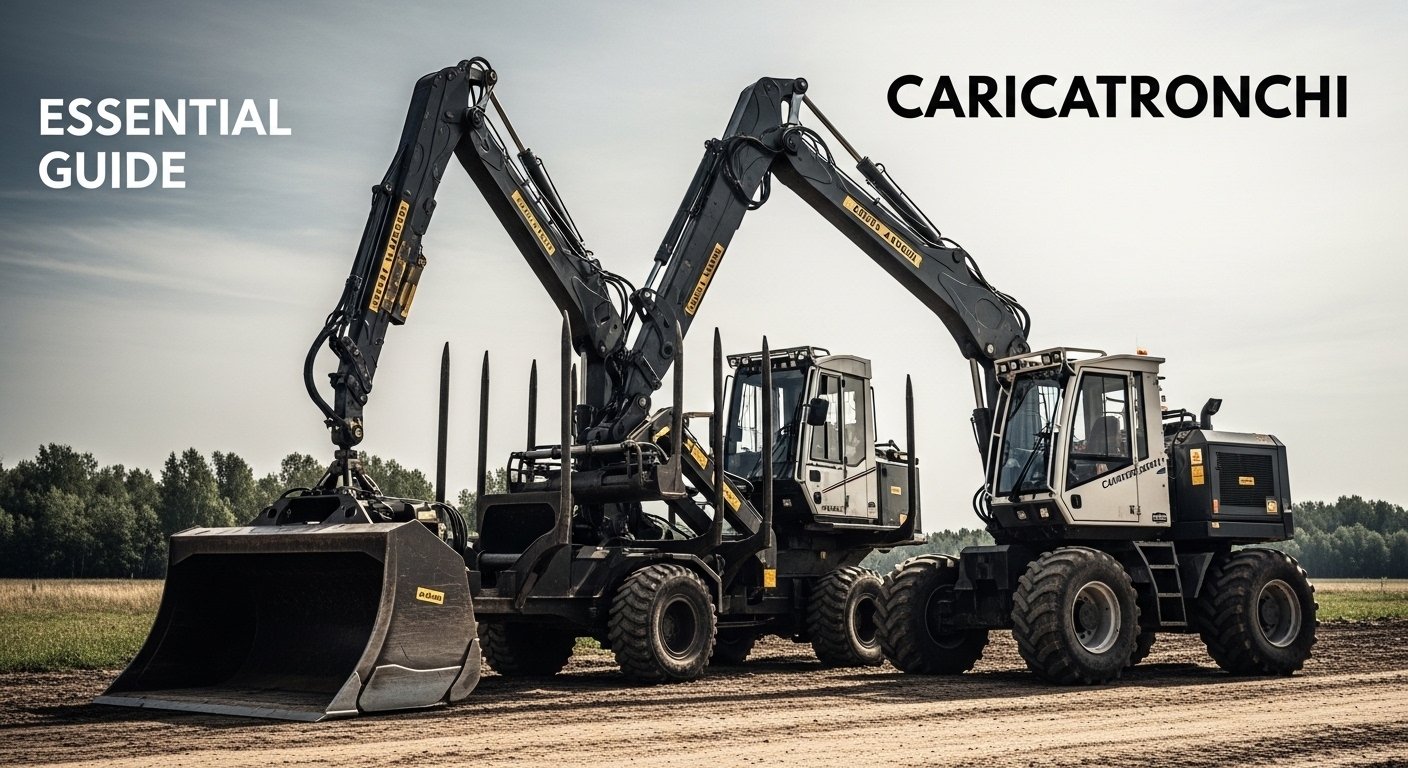
Forestry professionals know that moving massive, heavy tree trunks requires immense power and precision. Relying on manual labor or inadequate machinery slows down production and puts workers at serious risk. Enter the caricatronchi. This specialized equipment handles the heavy lifting, transforming raw timber management from a dangerous chore into a streamlined process.
This comprehensive guide explores the mechanics, benefits, and future of these powerful machines. We will cover exactly what a caricatronchi is, how it operates across different industrial settings, and why it remains a crucial investment for timber operations.
Here is what you will learn:
- The core definition and mechanical breakdown of a caricatronchi
- Practical applications in logging sites and sawmills
- The major safety and efficiency benefits for your team
- Different types of loaders available for specific jobs
- Future technological trends shaping forestry equipment
What is a Caricatronchi?
A caricatronchi—an Italian term directly translating to “log loader”—is a heavy-duty piece of machinery designed specifically to lift, move, sort, and load tree trunks. You will find these machines at the heart of the timber supply chain, bridging the gap between a freshly felled tree and the transportation trucks that carry timber to mills for processing.
The caricatronchi operates using advanced hydraulic systems. These systems provide the immense lifting force required to handle logs weighing several tons. Unlike standard excavators or generic loaders, manufacturers design the caricatronchi specifically for the unique shape and weight distribution of timber.
Read : Sagerne
Operators sit in protected, elevated cabins that offer a clear field of vision. This visibility allows them to manipulate long logs with incredible precision. By utilizing a specialized grapple attachment, the machine grips the timber securely, preventing slips and ensuring that the load remains stable during movement.
Core Components and Engineering
Understanding how a caricatronchi works requires a closer look at its engineering. Several core components work together to deliver the power and agility needed in rugged forestry environments.
The Hydraulic Boom
The boom is the long, articulated arm of the machine. It extends outward and upward, allowing the operator to reach logs lying far away or stack them high onto trailers. The hydraulic cylinders attached to the boom manage the heavy lifting, providing smooth and controlled movements.
The Grapple
At the end of the boom sits the grapple. This is the claw-like attachment that grabs the wood. Grapples come in various sizes and styles, including continuous rotation grapples that spin 360 degrees. This rotation allows the operator to align the log perfectly before setting it down, minimizing the need to reposition the entire machine.
The Undercarriage and Base
Stability is vital when lifting heavy, swinging loads. The base of a caricatronchi varies depending on its specific application. Some feature heavy tracked undercarriages for navigating muddy, uneven forest terrain. Others use wheeled bases for mobility on solid ground. Stationary models bolt directly to a concrete foundation at a mill.
Practical Applications in Modern Forestry
The caricatronchi plays a central role in several stages of the timber lifecycle. Its versatility makes it indispensable across multiple practical applications.
Timber Harvesting and Logging Sites
Deep in the forest, logging crews fell trees and strip them of their branches. Once the timber rests on the forest floor, the caricatronchi takes over. Operators use the machine to gather scattered logs and stack them into organized piles. When the transport trucks arrive, the loader swiftly lifts these piles onto the trailers. This rapid loading process keeps trucks moving and prevents bottlenecks at the harvesting site.
Industrial Sawmill Operations
When trucks deliver raw timber to a sawmill, a stationary or wheeled caricatronchi unloads the cargo. But the job does not stop there. The machine sorts logs by size, species, or quality, feeding them onto conveyor belts that lead directly into the cutting facilities. Maintaining a steady flow of wood into the mill is essential for profitability, and the loader ensures the processing line never runs out of material.
Biomass and Paper Production
Beyond traditional lumber, the caricatronchi handles smaller logs and offcuts destined for paper mills or biomass energy plants. By using specialized bypass grapples, operators can scoop up large bundles of smaller wood pieces simultaneously, speeding up the material handling process for bulk processing facilities.
The Benefits of Using a Caricatronchi
Investing in specialized forestry equipment requires significant capital. However, the operational returns quickly justify the initial expense.
Enhanced Operational Efficiency
Time dictates profitability in the logging industry. A caricatronchi drastically reduces the time required to load and unload timber. Because the machine handles multiple logs at once and maneuvers them with hydraulic precision, transport trucks spend less time idling. This efficiency means your crew can process more timber per day, directly increasing your bottom line.
Improved Worker Safety
Logging ranks among the most hazardous occupations globally. Moving multi-ton logs manually or with makeshift equipment invites severe injuries. The caricatronchi removes workers from the immediate danger zone. The operator handles the heavy lifting from inside a reinforced, shatter-proof cabin, protected from falling debris and unpredictable log movements.
Cost-Effective Resource Management
Using the right tool for the job prevents material damage. Standard construction excavators often crush or splinter valuable timber. A dedicated log loader features grapples designed to hold wood firmly without causing structural damage. Preserving the integrity of the wood ensures you get the maximum market value for your timber.
Types of Caricatronchi Machines
No two logging operations are exactly alike. Manufacturers produce several distinct types of log loaders to meet varying environmental and logistical demands.
Tracked Log Loaders
When working in deep forests with soft mud, steep inclines, or heavy brush, tracked loaders are the standard choice. The continuous tracks distribute the heavy weight of the machine across a larger surface area. This prevents the machine from sinking into the mud and provides superior traction on slippery hillsides.
Wheeled Log Loaders
Wheeled models excel in environments with firm, flat ground. You will frequently see these machines at large sawmills or paved sorting yards. They travel much faster than their tracked counterparts, allowing operators to zip back and forth across a massive yard quickly.
Truck-Mounted Loaders
For smaller operations or independent logging contractors, truck-mounted loaders offer ultimate mobility. The loader sits directly on the back of the timber transport truck. The driver can drive to the logging site, use the attached boom and grapple to load their own trailer, and drive away. This eliminates the need to leave a standalone machine at a remote site.
Stationary Electric Loaders
Many modern sawmills now use stationary, electric-powered loaders. Bolted directly to a concrete pad near the mill conveyor, these machines simply pivot to move wood from piles onto the processing line. Because they run on electricity rather than diesel, they produce zero local emissions and require far less engine maintenance.
Essential Maintenance Practices
Keeping a heavy-duty machine running efficiently requires strict adherence to maintenance schedules. Neglecting your loader leads to costly breakdowns and dangerous operational failures.
Hydraulic System Care
The hydraulic system serves as the muscle of the equipment. Operators must check hydraulic fluid levels daily. Any drop in fluid indicates a leak, which can lead to catastrophic loss of lifting power. Replacing hydraulic filters at factory-recommended intervals prevents dirt and metal shavings from destroying the internal pumps.
Grapple and Pin Inspections
The grapple absorbs immense friction and stress every single day. Maintenance teams must grease the pivot pins regularly to prevent metal-on-metal wear. Inspecting the grapple jaws for hairline cracks helps you replace weakened parts before they snap mid-lift and drop a dangerous load.
Cabin and Safety Checks
The operator’s safety relies entirely on the structural integrity of the cabin. Teams should routinely inspect the reinforced glass for chips or cracks. Ensuring the cabin’s heating and cooling systems function correctly keeps the operator alert and comfortable during long, demanding shifts in harsh weather.
Future Trends Shaping Caricatronchi Technology
The forestry industry constantly evolves, and heavy machinery manufacturers continue to innovate. The next generation of timber loading equipment focuses heavily on technology and sustainability.
Automation and Remote Operation
Remote-controlled and semi-autonomous machinery represents the next major leap in forestry. Manufacturers are developing loaders that operators can control from an office miles away using cameras and advanced joysticks. This removes the human element entirely from dangerous logging sites. Furthermore, automated sorting systems can use artificial intelligence to scan logs and automatically categorize them by grade before the grapple even touches them.
Electrification and Hybrid Engines
As environmental regulations tighten, the reliance on massive diesel engines is shifting. Hybrid loaders that capture kinetic energy during boom movements are entering the market. Fully electric, battery-powered mobile loaders are also in development. These machines promise to lower fuel costs and reduce the carbon footprint of logging operations significantly.
Telematics and Predictive Maintenance
Modern loaders now come equipped with onboard computers that monitor engine health, hydraulic pressure, and fuel consumption in real time. These telematics systems send data directly to fleet managers. By analyzing this data, managers can predict when a part will fail before it actually breaks. This predictive maintenance prevents unexpected downtime and extends the operational lifespan of the machine.
Conclusion
The caricatronchi is far more than a simple machine; it is the vital link that keeps the forestry and timber supply chain moving smoothly. From the rugged depths of the forest floor to the paved yards of industrial sawmills, these loaders bring unmatched power, precision, and safety to raw timber management.
By understanding the different types of loaders available, prioritizing regular maintenance, and keeping an eye on emerging technological trends like automation and electrification, forestry professionals can maximize their efficiency. Investing time into optimizing how you use this equipment ensures your operations remain safe, profitable, and prepared for the future of the logging industry. Take a moment to evaluate your current timber handling processes and explore how upgrading your loading technology could drive your business forward.

Have you ever felt completely overwhelmed by the sheer volume of tasks, responsibilities, and ongoing projects demanding your attention? You are not alone. Managing these various elements—often referred to as sagerne—is a universal challenge that requires dedicated strategies and intentional effort. Derived from a Nordic linguistic root meaning “the cases” or “the matters,” sagerne encompasses everything from complex workplace projects to essential personal errands.
Understanding how to effectively handle sagerne determines your productivity, stress levels, and overall quality of life. When you leave these matters unorganized, they create friction. When you manage them well, you unlock a state of flow and clarity. This comprehensive guide explores the multifaceted nature of sagerne, offering actionable frameworks, psychological insights, and practical tools to help you master your matters once and for all.
Understanding Sagerne in Your Daily Life
Before you can effectively organize your life, you need to understand what you are actually organizing. Sagerne represents the entire ecosystem of your obligations.
The Broad Scope of Your Matters
Sagerne is not limited to a simple to-do list. It includes active professional projects, pending legal or administrative tasks, household maintenance, and even interpersonal commitments. Think of sagerne as open loops in your life. Each case or matter requires a specific set of actions to reach a resolution. Recognizing the broad scope of these matters helps you understand why standard time management advice often falls short. You are not just managing time; you are managing distinct, often complex, cases.
Why Sagerne Demand a Systematic Approach
When you treat every obligation as an isolated incident, you exhaust your mental energy. You spend more time deciding what to do than actually doing it. By grouping your responsibilities under the umbrella concept of sagerne, you can build universal systems to handle them. A systematic approach ensures that nothing falls through the cracks. It gives you a reliable process for intake, execution, and review, allowing you to handle multiple matters simultaneously without losing focus or dropping the ball.
The Psychology of Unmanaged Sagerne
The way you interact with your ongoing cases has a profound impact on your mental well-being. Unresolved matters do not just sit passively on a desk or in a digital folder; they actively consume your cognitive resources.
The Burden of Cognitive Load
Your brain has a limited capacity for holding active information. When you try to remember every detail about your sagerne without a reliable external system, you increase your cognitive load. This mental strain leads to decision fatigue, irritability, and burnout. Every time you try to recall an unwritten task, you borrow energy from your actual work. Documenting and organizing your sagerne effectively offloads this burden from your brain to your system, freeing up mental space for creative thinking and problem-solving.
The Zeigarnik Effect and Open Loops
Psychologists refer to the tendency to remember uncompleted or interrupted tasks better than completed ones as the Zeigarnik effect. Every piece of sagerne that remains unresolved creates an open loop in your mind. These open loops constantly demand attention, pulling your focus away from the present moment. By creating clear action plans for your matters, you signal to your brain that the situation is under control. Even if the case is not yet closed, having a plan reduces the anxiety associated with the Zeigarnik effect.
Core Principles for Managing Sagerne
To take control of your responsibilities, you need a solid foundation of organizational principles. These guidelines will help you process your sagerne efficiently, regardless of their complexity.
1. Capture Everything Immediately
The most critical step in managing sagerne is capturing them as soon as they arise. Never trust your memory with important matters.
- Keep a dedicated inbox: Use a specific physical tray or digital folder where all new matters land.
- Write it down: Whether it is an email, a phone call, or a sudden realization, document the matter instantly.
- Centralize your inputs: Avoid having sagerne scattered across multiple apps, notebooks, and sticky notes.
2. Define the Desired Outcome
You cannot close a case if you do not know what the resolution looks like. For every item of sagerne, take a moment to clearly define the end goal. What needs to happen for you to mark this matter as complete? Defining the outcome provides direction and prevents you from spending time on unnecessary actions that do not move the case forward.
3. Determine the Next Physical Action
Large matters often cause procrastination because they feel overwhelming. Break your sagerne down into the very next physical action required. Do not write “plan the marketing campaign.” Instead, write “draft a list of target audience demographics.” This shift from abstract projects to concrete actions makes starting much easier.
A Practical Framework for Your Sagerne
Implementation is where the real progress happens. Follow this structured framework to process and resolve your matters efficiently.
The Intake Phase
During the intake phase, you simply gather all your sagerne in one place. Do not try to solve them yet; just identify them. Schedule a specific time each day to review your physical and digital inboxes. Look at incoming mail, unread emails, meeting notes, and personal reminders.
The Processing Phase
Once you have gathered your sagerne, process each item one by one. Ask yourself a series of quick questions:
- What is this? Understand the nature of the matter.
- Is it actionable? Determine if you need to do something about it.
- Does it take less than two minutes? If yes, do it immediately.
- Can I delegate it? If someone else is better suited to handle the case, pass it on.
- Should I defer it? If it requires your attention but takes time, schedule it or add it to your action list.
The Execution Phase
With your sagerne processed and organized, you can step into execution mode. Choose your tasks based on your current context, energy levels, and priorities. Because you have already defined the next actions, you can dive straight into the work without hesitation.
The Review Phase
A system is only as good as its maintenance. Conduct a weekly review of all your ongoing sagerne. Update the status of each case, ensure no next actions are missing, and archive matters that have reached resolution. The weekly review builds trust in your system and keeps you aligned with your broader goals.
Choosing the Right Tools for Your Sagerne
The tools you select will dictate how smoothly your management system runs. While the principles matter more than the specific applications, choosing the right environment for your sagerne makes execution much easier.
Digital Management Solutions
Digital tools offer powerful search capabilities, easy editing, and seamless collaboration.
- Task Management Software: Platforms like Asana, Todoist, or Trello allow you to categorize sagerne visually. You can assign deadlines, attach files, and track progress effortlessly.
- Note-Taking Applications: Tools like Evernote, Notion, or OneNote serve as excellent reference libraries. Use them to store supporting documents, meeting notes, and research related to specific cases.
- Calendar Applications: Your calendar is sacred territory. Use it to block out dedicated time for deep work on complex sagerne, ensuring you have the necessary focus to make progress.
Analog Management Solutions
Many people find that digital tools create too many distractions. Analog systems offer a tactile, focused approach to managing sagerne.
- The Bullet Journal Method: This system uses a simple notebook and rapid logging to track tasks, events, and notes. It forces you to manually migrate unfinished sagerne, making you highly conscious of what you are putting off.
- Physical Inboxes and Folders: For paper-heavy matters like legal documents, contracts, or tax records, a traditional filing cabinet with clearly labeled folders remains an incredibly effective solution.
Overcoming Common Sagerne Obstacles
Even with the best systems in place, you will encounter roadblocks. Recognizing these common pitfalls helps you navigate around them.
Dealing with Case Overload
Sometimes, the sheer volume of sagerne outpaces your ability to process them. When you feel overloaded, declare a system reset. Gather all your pending matters, clear your calendar for a few hours, and brutally prioritize. Ask yourself what will happen if a specific case gets dropped. Often, you will find that many matters are not as urgent as they seem.
Fighting Procrastination on Complex Matters
Complex sagerne often trigger procrastination. You put them off because they lack clarity or seem intimidating. To combat this, return to the principle of the next physical action. Make the action so small and simple that you cannot resist doing it. If you are avoiding a difficult phone call, make your next action “find the phone number and write it on a sticky note.”
Maintaining Consistency
The most common point of failure in managing sagerne is a lack of consistency. You set up a beautiful system, use it for a week, and then abandon it when life gets busy. To build consistency, tie your system updates to existing habits. Review your matters while drinking your morning coffee or update your lists right before shutting down your computer for the day.
The Long-Term Benefits of Mastering Sagerne
Committing to a structured approach for managing your matters requires upfront effort, but the long-term rewards are substantial.
When you consistently organize your sagerne, you build a reputation for reliability. Colleagues and clients know they can trust you because you follow through on your commitments. In your personal life, you reduce friction with family members because household responsibilities are handled promptly.
Furthermore, mastering your sagerne unlocks a deep sense of personal freedom. When you no longer spend your evenings worrying about forgotten tasks and pending cases, you can fully engage in your hobbies, relationships, and rest. You transform from a reactive participant in your life to a proactive designer of your future.
Start small today. Gather the most pressing matters currently on your mind. Write them down, define the desired outcomes, and identify the very next actions. By taking these simple steps, you begin the journey toward complete mastery over your sagerne.


Caricatronchi: The Essential Guide to Forestry Log Loaders

Masgonzola: The Complete Guide to the Ultimate Artisan Cheese Experience

Sagerne: The Ultimate Guide to Managing Your Matters

Revolutionizing Customer Success: The Strategic Guide to AI Customer Support

fintechzoom.com crypto halving: Everything You Need to Know About Its Impact on the Market