
Business
Navigating Your Future: Exploring Psychology as a Career Choice


Why Choose a Career in Psychology?
Psychology offers a fascinating glimpse into the human mind and behaviour. Those looking to pivot their careers or enhance their current roles can find rewarding opportunities in this field.
Studying psychology can lead to various professions, from counselling to social work, as well as roles in business and education. The flexibility of online study allows learners to balance their professional and personal lives while gaining valuable insights.
Understanding the Psychology Diploma Level 3
The Psychology Diploma Level 3 is designed for individuals who wish to build a comprehensive understanding of psychological concepts. This trusted programme covers essential theories and practices, laying the groundwork for further studies or employment in related areas.
By enrolling in this course, students benefit from high-quality materials and support from expert tutors, ensuring they receive guidance throughout their learning journey.
Recommended Courses for Aspiring Psychologists
Alongside the Psychology Diploma Level 3, two other programmes offer unique insights into psychology that can complement one’s career aspirations:
One option is the Criminal Psychology Diploma Level 3, which explores the intricate relationship between psychology and the legal system. This course is ideal for those interested in forensic psychology or law enforcement careers.
Additionally, the Product Management Diploma Level 4 can provide essential skills in organisational behaviour and teamwork dynamics, further enhancing career opportunities in various sectors.
Frequently Asked Questions
What are the benefits of studying psychology online?
Studying psychology online provides flexibility, allowing students to learn at their own pace while managing other commitments, making it particularly suitable for busy adults.
How long does it take to complete a psychology diploma?
Typically, the Psychology Diploma Level 3 can be completed in a few months, depending on the learner’s pace.
What career opportunities are available with a psychology diploma?
Graduates can pursue careers in counselling, marketing, education, healthcare, and many more fields where understanding human behaviour is crucial.
Why choose the Psychology Diploma Level 3?
This programme is trusted and recognised, offering a solid foundation in psychology that is suitable for further studies or career entry.
Is online learning suitable for busy professionals?
Yes, online learning is specifically designed to accommodate the schedules of busy professionals who wish to enhance their skills without sacrificing their current responsibilities.
Embrace Your Future with a Psychology Diploma
Psychology is an exciting and versatile field that offers numerous career paths for those willing to explore its depths. By taking the time to engage in a trusted programme like the Psychology Diploma Level 3, students can gain valuable insights that pave the way for transformative career opportunities.
Not only does this course provide the foundational knowledge needed for various roles, but it also caters to busy individuals seeking flexible and effective learning. With expert support and high-quality materials, the journey towards a fulfilling career in psychology begins here. Explore how to kickstart your education today!
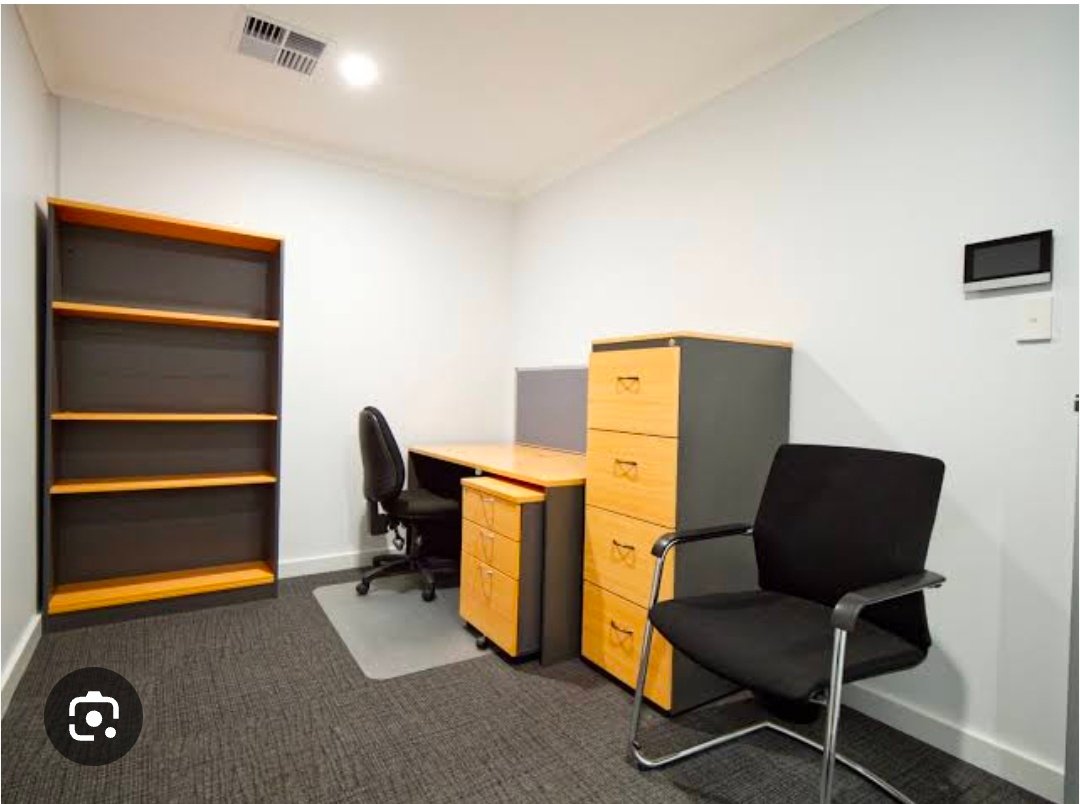
- Coworking spaces have become a pivotal aspect of the modern work environment, offering flexible and dynamic alternatives to traditional office settings. As Adelaide continues to thrive as a hub for entrepreneurs, freelancers, and innovative companies, the demand for coworking spaces in the city is ever-increasing. These spaces provide not only a place to work but also a community where ideas can flourish and collaboration is encouraged. In this article, we delve into the essence of coworking spaces in Adelaide, highlighting the benefits and features of such environments, and specifically focusing on what makes the BHA Centre an excellent choice for professionals seeking a vibrant workspace.
The Rise of Coworking Spaces in Adelaide
Adelaide, known for its rich cultural heritage and burgeoning tech scene, has witnessed a significant rise in coworking spaces over the past decade. This increase is driven by the city’s growing population of freelancers, startups, and remote workers who are seeking environments that foster creativity and productivity. The appeal of coworking spaces in Adelaide lies in their ability to offer a flexible and cost-effective solution compared to traditional office leases, which often come with long-term commitments and high costs. In addition, these spaces provide access to essential amenities and services that are crucial for business operations, such as high-speed internet, meeting rooms, and networking events.
The growth of coworking spaces in Adelaide also reflects a broader shift in work culture. Many professionals are no longer confined to the nine-to-five routine, and businesses are increasingly valuing flexibility and work-life balance. Coworking spaces accommodate these changes by offering 24/7 access and various membership options to suit different needs. As a result, they attract a diverse range of individuals and businesses, from tech startups to creative agencies and independent consultants. This diversity enriches the coworking environment, fostering collaboration and innovation among members.
Benefits of Choosing a Coworking Space
Choosing a coworking space in Adelaide comes with numerous advantages that enhance both personal and professional growth. One of the primary benefits is the opportunity to network and collaborate with like-minded individuals from various industries. This exposure to different perspectives can lead to innovative ideas and potential partnerships that would be difficult to achieve in isolation. Additionally, the social aspect of coworking spaces helps reduce the isolation often experienced by remote workers and freelancers, providing a sense of community and belonging.
Another significant benefit is the access to resources and amenities that would otherwise be unavailable or too costly for individuals or small teams. Coworking spaces typically offer fully equipped meeting rooms, state-of-the-art technology, and even perks like wellness programs and workshops. These resources enable professionals to focus on their work without the distractions of managing an office space. Moreover, the flexibility of coworking spaces allows members to scale their workspace needs up or down as their business evolves, providing a cost-effective solution that can adapt to changing circumstances.
Features of Top Coworking Spaces
Top coworking spaces in Adelaide are distinguished by their ability to cater to the diverse needs of their members. They offer a range of flexible membership options, from hot desks and dedicated desks to private offices, allowing individuals and companies to choose the arrangement that best suits their requirements. High-quality facilities are another hallmark of leading coworking spaces, often featuring ergonomic furniture, quiet zones for focused work, and communal areas designed for collaboration and socializing.
In addition to physical amenities, the best coworking spaces prioritize community-building and member engagement. They create opportunities for networking and professional development through events, workshops, and seminars. These activities are designed to foster connections among members, facilitate knowledge sharing, and support professional growth. Furthermore, top coworking spaces often provide access to a network of mentors and advisors who can offer guidance and support, making them an invaluable resource for startups and entrepreneurs looking to grow their businesses.
The Unique Appeal of BHA Centre
Located in the heart of Adelaide, the BHA Centre offers a unique coworking experience that combines modern facilities with a welcoming community atmosphere. The Centre is designed to accommodate a wide range of professionals, from freelancers to established businesses, providing a flexible and supportive environment for all. Its strategic location on Sir Donald Bradman Drive makes it easily accessible from various parts of the city, further enhancing its appeal to local professionals seeking a convenient workspace.
The BHA Centre stands out for its commitment to fostering a collaborative and inclusive community. Members benefit from a range of services and amenities, including high-speed internet, fully equipped meeting rooms, and comfortable workspaces. The Centre also hosts regular events and workshops, providing opportunities for networking and skill development. This focus on community and professional growth makes the BHA Centre an ideal choice for those looking to enhance their work experience in Adelaide’s vibrant coworking scene.
How to Choose the Right Coworking Space
Selecting the right coworking space in Adelaide involves considering several factors to ensure it meets your specific needs and preferences. Location is a crucial consideration, as a conveniently located space can save time and reduce commuting stress. Accessibility to public transport and parking facilities are key aspects to evaluate when assessing a potential workspace. Additionally, the availability of amenities such as high-speed internet, meeting rooms, and kitchen facilities can significantly impact your productivity and comfort.
Another important factor is the community and culture of the coworking space. It’s essential to choose a space where you feel comfortable and where the community aligns with your professional goals and values. Visiting potential coworking spaces and attending events or trial days can provide valuable insights into the atmosphere and culture of the space. Lastly, consider the cost and membership options available, ensuring they fit within your budget while offering the flexibility you need to grow and adapt your business over time.
Conclusion
Finding the perfect coworking space is essential for professionals seeking a productive and inspiring work environment. The BHA Centre, located at Suite 1, 96 Sir Donald Bradman Drive, Hilton, South Australia 5033, offers an exceptional Coworking Space Adelaide option with its modern facilities and vibrant community. Whether you’re a freelancer, entrepreneur, or part of a growing business, the Centre provides the flexibility and resources needed to thrive. With a commitment to fostering collaboration and innovation, BHA Centre is a standout choice for those looking to enhance their work experience. For more information or to arrange a visit, you can reach the Centre at 08 7071 1562, ensuring that the Coworking Space Adelaide you choose is the right fit for your professional journey.

In the competitive landscape of Adelaide’s business environment, effective sales training is critical for businesses seeking growth and success. Sales professionals must continuously refine their skills to meet evolving customer expectations and dynamic market conditions. Green Knight Coaching, based in Adelaide, offers comprehensive sales training programs that empower individuals and teams to excel. This article explores the significance of sales training in Adelaide, delving into various aspects that make these programs indispensable for achieving business objectives. By understanding the nuances of sales training, businesses can position themselves strategically to capture market share and drive revenue growth.
The Importance of Sales Training in Adelaide
Sales training is a crucial investment for businesses aiming to thrive in Adelaide’s competitive market. It goes beyond imparting basic selling techniques; it equips sales professionals with the skills required to build lasting customer relationships. In an era where customer expectations are continually rising, sales training ensures that teams are well-prepared to meet and exceed these expectations. By focusing on strategic communication and negotiation skills, sales training programs foster a culture of excellence that is essential for sustained business success.
The dynamic nature of Adelaide’s business environment necessitates that sales teams remain agile and adaptable. Sales training programs provide the tools and knowledge needed to navigate complex sales cycles and handle objections effectively. They also equip sales professionals with the ability to identify customer needs accurately, offering tailored solutions that enhance customer satisfaction. As a result, businesses that invest in comprehensive sales training witness improved sales performance, increased customer loyalty, and ultimately, a stronger bottom line.
Key Components of Effective Sales Training
Effective sales training in Adelaide encompasses several key components that contribute to the overall development of sales professionals. One of the fundamental aspects is communication skills training, which focuses on honing the ability to listen actively and respond appropriately. This skill is vital for understanding customer needs and building trust. Additionally, training programs often include modules on negotiation tactics, enabling sales professionals to close deals effectively while ensuring mutually beneficial outcomes for both parties involved.
Another critical component of sales training is product knowledge. Sales professionals must be well-versed in the features and benefits of the products or services they are selling. This knowledge empowers them to convey value to potential clients convincingly. Furthermore, sales training often emphasizes the importance of understanding the target market and competition, equipping sales teams with the insights needed to position their offerings strategically. By integrating these components, sales training programs create well-rounded professionals capable of driving business success in Adelaide’s competitive market.
The Role of Technology in Modern Sales Training
Incorporating technology into sales training has transformed the way programs are delivered and consumed. Modern sales training in Adelaide leverages digital platforms to provide flexible and interactive learning experiences. Online modules, virtual simulations, and gamified training sessions engage participants, making learning more enjoyable and effective. This approach allows sales professionals to learn at their own pace, revisit challenging concepts, and apply new skills in real-world scenarios, enhancing their overall competency.
Technology also plays a pivotal role in tracking and assessing the progress of sales professionals. Advanced analytics tools provide insights into individual performance, identifying areas of strength and areas needing improvement. This data-driven approach enables trainers to tailor their programs to meet the specific needs of participants, ensuring that the training is both relevant and impactful. As technology continues to evolve, its integration into sales training will only deepen, offering even more opportunities for growth and success in Adelaide’s business landscape.
Overcoming Common Challenges in Sales Training
Despite its benefits, sales training can present several challenges that organizations must address to ensure its effectiveness. One common challenge is ensuring participant engagement throughout the training process. To overcome this, trainers must design programs that are interactive and relevant, using real-life case studies and role-playing exercises to keep participants engaged. Additionally, fostering a supportive learning environment encourages participants to share experiences and learn from each other, enriching the training experience.
Another challenge is the application of learned skills in real-world scenarios. Often, sales professionals struggle to translate theoretical knowledge into practical actions. To bridge this gap, sales training programs should include hands-on practice sessions and follow-up coaching. This approach reinforces learning and provides participants with the confidence needed to apply new skills effectively. By addressing these challenges, businesses in Adelaide can maximize the return on investment from their sales training initiatives, driving long-term success and growth.
Customizing Sales Training for Diverse Industries
Sales training is not a one-size-fits-all solution; it must be tailored to meet the specific needs of different industries. In Adelaide, diverse sectors such as healthcare, technology, and retail each have unique sales dynamics that require specialized training approaches. For instance, sales professionals in the healthcare sector need to understand complex medical products and regulatory requirements, while those in technology must stay abreast of rapidly changing innovations. Sales training programs that cater to these nuances ensure that professionals are equipped with industry-specific knowledge and skills.
Customization also involves aligning training objectives with business goals. By understanding the strategic priorities of an organization, trainers can design programs that support these goals, whether it’s increasing market share, launching new products, or enhancing customer service. Customization enhances the relevance and effectiveness of sales training, ensuring that participants can apply their skills directly to their roles. As a result, businesses across Adelaide’s diverse industries can achieve better sales outcomes and maintain a competitive edge in their respective markets.
Conclusion
In conclusion, sales training in Adelaide is an essential component for businesses seeking to enhance their sales force’s effectiveness and achieve sustainable growth. Green Knight Coaching, located at 96 Sir Donald Bradman Dr, Adelaide, South Australia 5033, offers sales training Adelaide programs designed to meet the unique needs of various industries. With a focus on communication skills, product knowledge, and the integration of technology, these programs equip sales professionals with the tools necessary to excel in a competitive market. To learn more about how sales training Adelaide can benefit your business, contact Green Knight Coaching at 0401475790. By investing in tailored sales training, companies can unlock their teams’ potential, fostering a culture of excellence and driving long-term success.

Every year in the United States, fires devastate families, farmers, and businesses. According to the National Fire Protection Association’s 2024 report, the nation saw 1.39 million fires, resulting in 3,920 deaths and $19.1 billion in direct property damage. Home fires alone accounted for 329,500 incidents, claimed 2,920 lives and caused $11.4 billion in losses. Warehouses burn roughly 1,544 times annually, while factories, farms, and airports face even higher stakes: destroyed equipment, lost livestock, halted operations, and millions in downtime.
The biggest enemy isn’t the flames- it’s time. Fire can double in size every 30 to 60 seconds. Yet the average fire-truck response time across America is 5 to 11 minutes. In those critical first moments, a small spark can become a catastrophe that no insurance check can fully repair.
That’s why thousands of forward-thinking Americans, homeowners, farmers, and business owners are choosing a smarter first line of defense. Namely autonomous firefighter robots from Firefighter Robotics: https://wefunder.com/firefighter.robotics.company.1
These advanced systems don’t wait for sirens or flashing lights. Integrated directly with smoke, heat, and gas detectors, the robots activate instantly when trouble starts. Using AI-powered thermal imaging, they locate the fire’s source and attack it immediately with water, foam, or emulsion, often containing the blaze before it spreads. Built for tough American conditions, they navigate smoke, heat, uneven terrain, and tight spaces where humans simply cannot go safely.
For private homeowners, the advantage is peace of mind. Whether protecting a suburban house or a rural property, these robots stand guard 24/7, giving families precious extra minutes to evacuate safely while stopping the fire in its tracks.
Farmers across the Midwest and beyond face unique risks. This includes dry fields, wooden barns and valuable livestock. An early robotic response can save entire herds, preserve harvest equipment, and protect a family’s livelihood from wildfire or accidental ignition.
Business owners in warehouses, factories, data centers, and airports gain something equally vital: continuity. A single early intervention can prevent millions in lost inventory, production halts, or flight delays. Lower property damage also means potentially reduced insurance premiums and faster recovery.
These robots don’t replace brave American firefighters—they give them the decisive edge. While crews race to the scene, the robots already have the fire under control, reducing risk to human lives and clearing the way for a safer, more effective response.
In a country where every second matters, autonomous firefighter robots from Firefighter Robotics are more than technology—they’re a practical investment in safety, savings, and survival. For American families, farmers, and businesses that refuse to leave their future to chance, the question isn’t whether they can afford this protection. It’s whether they can afford to be without it.


A Step-by-Step Guide to Getting Your First Crypto Debit Card

Choosing and Installing the Best Ceiling Fans Adelaide Has to Offer

Discover the Ideal Coworking Space Adelaide Has to Offer: A Guide to BHA Centre

fintechzoom.com crypto halving: Everything You Need to Know About Its Impact on the Market

Revolutionizing Customer Success: The Strategic Guide to AI Customer Support
