Health
Foenegriek: A Complete Guide to Its History, Benefits, and Uses


You might not immediately recognize the name, but you have likely tasted it in your favorite savory dishes. Foenegriek, commonly known in English as fenugreek, is a versatile plant that serves as both an aromatic spice and a powerful medicinal herb. People have cultivated this remarkable plant for thousands of years, relying on its seeds and leaves to flavor food and treat various ailments.
This article explores the fascinating world of foenegriek. We will uncover its ancient origins, dive into its proven health benefits, and examine its vital role in traditional medicine. You will also learn practical ways to incorporate this unique ingredient into your culinary creations and daily wellness routine.
The Historical Origins of Foenegriek
The story of foenegriek begins in the ancient world. Native to the Mediterranean region, southern Europe, and western Asia, this hardy plant has a rich history that spans multiple civilizations. Ancient cultures valued the plant highly, recognizing its potential long before modern science could explain its benefits.
Archaeologists have discovered foenegriek seeds in the tombs of ancient Egyptian pharaohs, including Tutankhamun. The Egyptians used the seeds in their embalming processes and created an incense known as kuphi, which burned in temples during religious ceremonies. They also consumed the seeds to promote childbirth and improve milk production in nursing mothers.
The Romans and Greeks also integrated foenegriek into their daily lives. The Romans primarily used it as cattle fodder, which earned the plant its botanical name, Trigonella foenum-graecum, meaning “Greek hay.” However, Greek physicians like Hippocrates recognized its soothing properties and prescribed it to treat respiratory issues and digestive discomfort. Over the centuries, traders carried the seeds along the Silk Road, introducing the plant to India and China, where it quickly became a staple in both kitchens and apothecaries.
Health Benefits of Foenegriek
Modern research has begun to validate many of the ancient claims surrounding foenegriek. The seeds are packed with essential nutrients, including fiber, protein, iron, and magnesium. They also contain powerful phytonutrients that offer significant physiological benefits.
Managing Blood Sugar Levels
One of the most well-documented benefits of foenegriek is its ability to help regulate blood sugar. The seeds contain a soluble fiber called galactomannan, which slows down the digestion and absorption of carbohydrates. This process helps prevent sudden spikes in blood sugar after meals.
Additionally, the seeds contain an amino acid known as 4-hydroxyisoleucine. This compound appears to stimulate the production of insulin in the pancreas, helping the body manage glucose more efficiently. Many people incorporate the seeds or extracts into their diet as a natural way to support metabolic health.
Supporting Digestive Health
If you struggle with digestive issues, foenegriek might offer natural relief. The high fiber content in the seeds adds bulk to your stool, which promotes regular bowel movements and helps prevent constipation.
Furthermore, the plant possesses strong anti-inflammatory properties. When you consume the seeds, their mucilage content coats the lining of the stomach and intestines. This protective layer soothes gastrointestinal inflammation, providing relief from conditions like heartburn, acid reflux, and stomach ulcers.
Promoting Heart Health
Cardiovascular disease remains a primary health concern globally, and diet plays a crucial role in prevention. Foenegriek supports heart health by helping to manage cholesterol levels. The steroidal saponins found in the seeds inhibit the absorption of cholesterol in the intestines and reduce the production of cholesterol in the liver.
Regular consumption can help lower levels of low-density lipoprotein (LDL), often referred to as “bad” cholesterol, without affecting high-density lipoprotein (HDL), the “good” cholesterol. By managing cholesterol and reducing inflammation, this powerful herb helps keep your blood vessels healthy and supports overall cardiovascular function.
Foenegriek in Traditional Medicine
Long before clinical trials existed, traditional healers observed the healing properties of foenegriek. Two of the world’s oldest medical systems, Ayurveda and Traditional Chinese Medicine (TCM), feature the herb prominently in their treatments.
Ayurvedic Medicine
In India, Ayurveda classifies foenegriek, known locally as methi, as a warming spice. Ayurvedic practitioners believe it pacifies the Kapha and Vata doshas (body energies) while increasing Pitta. Healers traditionally prescribe the seeds to improve digestion, clear respiratory congestion, and reduce joint pain associated with arthritis.
Ayurveda also highly values the herb for women’s health. For centuries, midwives have recommended foenegriek tea to lactating mothers to boost milk production. The plant contains phytoestrogens—plant-based compounds that mimic the effects of estrogen in the body—which stimulate the milk ducts and support overall hormonal balance.
Traditional Chinese Medicine
Traditional Chinese Medicine refers to foenegriek seeds as Hu Lu Ba. TCM practitioners associate the herb with the kidney and liver meridians. They use it primarily to dispel cold and dampness from the body, treating conditions related to a “cold” deficiency.
In TCM, healers often prescribe the seeds to alleviate lower back pain, treat hernias, and address reproductive issues. Practitioners usually dry-fry the seeds before grinding them into powders or brewing them into potent decoctions. This preparation method enhances the herb’s warming properties and makes the active compounds easier for the body to absorb.
Culinary Applications Around the World
Beyond its medicinal uses, foenegriek is a culinary powerhouse. It offers a complex flavor profile: slightly bitter and nutty, with distinct notes of maple syrup and burnt sugar. You can use both the seeds and the leaves, but they serve different purposes in the kitchen.
Using the Seeds
The seeds are hard, yellowish-brown, and intensely flavored. They feature prominently in Indian, Middle Eastern, and North African cuisines. You will often find them in spice blends like curry powder, garam masala, and the Ethiopian mixture known as berbere.
To unlock their best flavor, you should briefly dry-roast the seeds in a hot pan. This process reduces their bitterness and brings out their sweet, aromatic qualities. Be careful not to burn them, as over-roasted seeds become incredibly bitter and can ruin a dish. Once roasted, you can grind them into a fine powder or use them whole in pickles, chutneys, and slow-cooked meat dishes.
Using the Leaves
The leaves of the plant, known as kasuri methi when dried, offer a milder, more herbaceous flavor. Cooks frequently use them as a finishing herb in rich, creamy curries like butter chicken or paneer makhani. Crushing a small handful of dried leaves between your palms and sprinkling them over a simmering pot instantly elevates the dish, adding a distinct restaurant-quality aroma.
You can also cook fresh foenegriek leaves as a leafy green vegetable. In India, people often chop the fresh leaves and knead them into wheat dough to make savory flatbreads called methi parathas, or sauté them with potatoes to create a simple, comforting side dish.
How to Incorporate Foenegriek Into Your Daily Routine
Adding this ancient plant to your lifestyle is easier than you might think. Whether you want to experiment in the kitchen or seek specific health benefits, you have several options.
- Brew a healing tea: Soak a teaspoon of whole seeds in hot water for ten minutes. Strain the seeds and add a touch of honey to balance the slight bitterness. This tea is excellent for digestion after a heavy meal.
- Create a hair mask: Soak the seeds overnight, then blend them into a paste. Apply this paste to your scalp to treat dandruff and promote healthy hair growth.
- Upgrade your spice rack: Keep a jar of dried leaves in your pantry. Use them to season roasted root vegetables, soups, or marinades for chicken and fish.
- Consider a supplement: If you dislike the taste but want the health benefits, foenegriek supplements are widely available in capsule or liquid extract form. Always consult a healthcare professional before starting any new supplement, especially if you take medication for diabetes.
Conclusion
Foenegriek stands as a testament to the enduring power of nature. From its revered status in ancient Egyptian temples to its crucial role in modern wellness practices, this versatile plant offers incredible value. Whether you use it to manage your blood sugar, soothe an upset stomach, or craft a perfectly balanced curry, foenegriek deserves a prominent place in your home.
Start small by brewing a cup of tea or adding a pinch of dried leaves to your next soup. As you explore its complex flavors and health-boosting properties, you will quickly understand why this remarkable herb has captivated humanity for millennia.
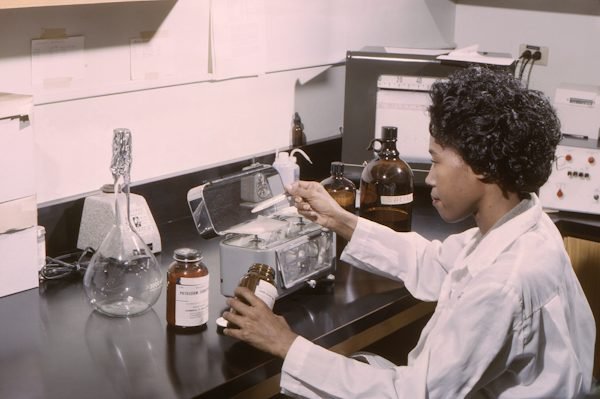
PFAS chemicals are a group of artificial compounds found in everyday items like nonstick cookware, waterproof clothing, and firefighting foam. These persistent chemicals accumulate in the environment and our bodies over time.
Recent research has raised serious concerns about their impact on human health, linking them to various health issues. It includes cancer, Increase in cholesterol levels, and other developmental problems.
Data centers have inadvertently become a source of PFAS pollution. These chemicals are used in fire suppression systems and cooling processes, posing a potential threat to nearby water sources. With the escalating demand for data storage and processing, the proliferation of data centers could exacerbate PFAS contamination if addressed.
Fortunately, a new wave of innovative technologies is emerging to tackle this challenge head-on. These cutting-edge solutions, from portable sensors to advanced removal processes, offer hope for safeguarding our water resources.
The PFASs Problem: A Closer Look at Types and Impacts
The PFAS family is vast, comprising thousands of individual chemicals. However, some are more notorious than others. Let’s focus on a few key players:
PFOS (Perfluorooctane sulfonic acid) & PFOA (Perfluorooctanoic acid)
These were once widely used in firefighting foams and industrial processes. Due to their persistence and toxicity, they’ve been phased out, but their environmental legacy remains. Research links PFOS and PFOA exposure to increased risks of kidney and testicular cancer.
GenX
Introduced as a replacement for PFOA, GenX is now under scrutiny as research reveals potential health concerns. While studies are ongoing, the EPA’s 2023 draft toxicity assessment for GenX suggests potential risks to the liver, kidneys, and immune system.
The regulatory landscape is constantly shifting, with agencies like the EPA working to establish safe exposure limits. The EPA proposed its first-ever national primary drinking water regulations for six PFAS, including PFOA, PFOS, GenX, and three other compounds. These proposed limits, measured in parts per trillion, reflect the growing concern over even trace amounts of PFAS in our water.
The presence of PFAS in our environment carries real consequences for human health and the ecosystems we depend on. Recent research paints a sobering picture of the potential harm caused by these persistent chemicals.
It is found that there is a strong link between PFAS exposure and a range of adverse health effects. These include an increased risk of certain cancers, immune system suppression, and developmental problems in children.
Pregnant women are particularly vulnerable, with potential links to high blood pressure during pregnancy and low birth weight in infants. The widespread use of AFFF in firefighting has raised alarms about the health effects on firefighters and communities.
This resulted in a wave of legal action against PFAS-led AFFF foam manufacturers. Many individuals and their families have filed AFFF lawsuits alleging manufacturers knew about the risks but failed to warn the public.
TruLaw identified 9198 lawsuits filed as of July 2024, which is expected to grow further. The far-reaching consequences of PFAS contamination, particularly from sources like AFFF, underscore the urgency of finding effective detection and removal solutions.
How Data Centers Contribute to PFAS Contamination
Data centers rely on complex systems to keep servers cool and protect against fire hazards. However, some of these systems can inadvertently introduce PFAS into the environment.
Fire suppression is critical to data center safety, and AFFF has long been the go-to solution for extinguishing fires. Unfortunately, AFFF contains high levels of PFAS. Accidental releases during testing or fires can lead to significant PFAS soil and groundwater contamination.
Cooling systems, essential for maintaining optimal operating temperatures, are another potential source of PFAS contamination. Some older systems may utilize PFAS-based coolants, which can leak or spill, releasing these harmful chemicals into the environment. While newer, PFAS-free coolants are available, the transition is only sometimes immediate or straightforward.
Even electronic components in data centers can contribute to PFAS pollution. Some electronics, like semiconductors and circuit boards, may contain PFAS. When these components are improperly disposed of or end their life, PFAS can leach into the surrounding environment, further exacerbating contamination.
Cutting-Edge Detection Technologies
PFAS chemical detection technologies are evolving rapidly. Let’s examine transformative technologies that are reshaping industries and enhancing security.
Traditional Methods
Scientists have relied on laboratory techniques like liquid chromatography-mass spectrometry (LC-MS/MS) to identify and quantify PFAS in water samples. LC-MS/MS is the gold standard for PFAS analysis, offering high sensitivity and accuracy. It works by separating the different PFAS compounds in a sample and using mass spectrometry to identify and measure each.
While LC-MS/MS is highly effective, it has some limitations. It’s a time-consuming process that requires specialized equipment and trained personnel, making it costly and impractical for rapid, on-site testing.
Emerging Technologies
The challenges posed by traditional PFAS testing have fueled a wave of innovation, leading to the development of several emerging technologies:
- Portable sensors: These handheld devices, now capable of detecting PFAS in mere minutes, provide rapid on-site results. This eliminates the need for time-consuming lab analysis, enabling quicker decision-making and targeted remediation efforts.
- Biosensors: These sensors utilize living organisms or their components, such as enzymes or antibodies, to identify and bind to PFAS molecules. The result? A susceptible and specific detection method that could revolutionize how we monitor water quality.
- Real-time monitoring systems: These automated systems continuously track PFAS levels in water sources, providing valuable data for early detection and prevention of contamination. By raising the alarm at the first sign of PFAS, these systems empower communities to act swiftly and protect water resources.
Advanced Removal Technologies
Beyond traditional methods, let’s explore innovative solutions for PFAS removal. These cutting-edge technologies offer enhanced efficiency and effectiveness in addressing complex challenges.
Granular Activated Carbon (GAC)
Granular Activated Carbon (GAC) is a tried-and-true method for removing PFAS from water. These small, porous carbon granules act like tiny sponges, attracting and trapping PFAS molecules on their surfaces through adsorption. This method has been used in water treatment facilities for decades due to its effectiveness in removing various contaminants, including PFAS.
The U.S. Environmental Protection Agency (EPA) recognizes GAC as an effective technology for reducing PFAS levels in drinking water. The GAC filters can remove 76–87% of the PFAS compounds, making them valuable for protecting public health.
Ion Exchange Resins
Ion exchange resins offer a different approach to PFAS removal, focusing on the chemical properties of these persistent pollutants. These resins are tiny beads with a positive or negative charge, designed to attract and trap ions with the opposite charge. Since PFAS molecules are negatively charged, anion exchange resins are particularly effective in removing them from water.
As water passes through a resin bed, the PFAS ions are pulled toward the positively charged resin beads. This process, known as ion exchange, can be highly efficient, particularly for certain types of PFAS, such as PFOS and PFOA.
A study found that ion exchange resins outperformed granular activated carbon (GAC) in removing short-chain PFAS. This is significant because short-chain PFAS are notoriously challenging to remove due to their smaller size and higher solubility in water.
Membrane Filtration
Membrane filtration, a technology often associated with water purification, is a formidable contender in the battle against PFAS contamination. Two critical methods within this category, nanofiltration and reverse osmosis have proven especially adept at trapping these persistent chemicals.
Both nanofiltration and reverse osmosis force water through a semi-permeable membrane with incredibly tiny pores. These pores are small enough to block PFAS molecules, separating them from the clean water. While both methods achieve high PFAS removal rates, reverse osmosis generally boasts a slight edge thanks to its smaller pore size.
The EPA recognizes these technologies as “Best Available Technologies” for meeting PFAS limits in drinking water, highlighting their efficacy in real-world applications. A study demonstrates impressive removal rates for various PFAS compounds. Reverse osmosis can remove over 99% of PFAS chemicals, while nanofiltration effectively removes 70–99%.
FAQs
How Can Data Centers Reduce Their PFAS Footprint?
Data centers can reduce their PFAS footprint by transitioning away from two-phase immersion cooling systems that rely on PFAS-containing fluorinated fluids. They can explore alternative technologies like single-phase immersion or direct-to-chip cooling, which utilize PFAS-free dielectric fluids or water.
What Is the Future of PFAS Remediation Technologies for Data Centers?
The future of PFAS remediation for data centers lies in developing more efficient, cost-effective, and sustainable technologies. These include advanced filtration systems, innovative treatment processes like electrochemical oxidation, and an increased focus on preventing PFAS contamination.
Are There PFAS-Free Alternatives for Fire Suppression Systems in Data Centers?
Yes, there are PFAS-free alternatives for fire suppression in data centers. These include inert gases like nitrogen, argon, and water mist systems. Some companies are also developing solutions like aerosol-based suppressants and solid-state extinguishing agents that are PFAS-free and environmentally friendly.
By embracing PFAS-free alternatives, conducting regular testing, and collaborating with stakeholders, data centers can set a positive example for environmental stewardship. These best practices protect water resources and contribute to the industry’s long-term sustainability.

Gas heater services in Adelaide are an essential aspect of maintaining a comfortable and safe home environment, especially during the cooler months. With the city’s chilly winters, ensuring that your gas heater is functioning efficiently and safely is paramount. Regular servicing not only enhances performance but also extends the lifespan of your heater, providing peace of mind to homeowners. Heatwave Gas and Plumbing, a trusted name in the industry, offers comprehensive services designed to meet the diverse needs of Adelaide residents. This guide will explore various aspects of gas heater services, highlighting the importance of professional maintenance and what you can expect from an expert service provider.
Understanding Gas Heaters and Their Importance
Gas heaters are a popular choice for many Adelaide residents due to their efficiency and ability to provide consistent warmth. Unlike electric heaters, gas heaters use natural gas or propane to produce heat, making them a cost-effective option for long-term use. They come in various types, including wall heaters, space heaters, and ducted gas heating systems, each serving different purposes and spaces. Understanding the type of gas heater you have is crucial to ensuring you receive the right service and maintenance, which can prevent future issues and improve energy efficiency.
The significance of gas heaters extends beyond mere comfort; they are integral to maintaining indoor air quality and ensuring safety. A well-maintained gas heater operates more efficiently, reducing greenhouse gas emissions and lowering energy bills. Additionally, regular maintenance checks can identify potential hazards such as carbon monoxide leaks, which are critical to address promptly. This underscores the importance of engaging professional gas heater services to ensure both efficiency and safety, safeguarding your home and family.
The Necessity of Regular Maintenance
Regular maintenance of gas heaters is not merely a recommendation; it is a necessity for optimal performance and safety. Over time, dust and debris can accumulate in the system, affecting its efficiency and potentially leading to dangerous malfunctions. An annual check-up by a professional ensures that all components are clean and functioning correctly, reducing the likelihood of unexpected breakdowns. This proactive approach not only saves money in the long run by avoiding costly repairs but also ensures the longevity of your heating system.
Moreover, regular servicing is vital in detecting and preventing carbon monoxide leaks, a silent and potentially deadly hazard. Professionals use specialized equipment to measure emissions and check for leaks, ensuring that your gas heater operates within safe parameters. In Adelaide, where gas heaters are extensively used during winter, regular maintenance becomes even more critical. By scheduling routine checks, homeowners can rest assured that their heating systems are safe and efficient, providing warmth without compromise.
Professional Gas Heater Services in Adelaide
In Adelaide, professional gas heater services are indispensable for maintaining system integrity and performance. Companies like Heatwave Gas and Plumbing offer a range of services tailored to meet the specific needs of local residents. These services typically include comprehensive inspections, cleaning, and repairs, ensuring that every part of the heater is in top condition. Technicians are trained to identify potential issues before they develop into significant problems, providing peace of mind to homeowners.
The expertise of professional service providers extends beyond basic maintenance; they are equipped to handle complex repairs and installations. Whether it involves replacing worn-out components, upgrading to more efficient models, or troubleshooting persistent issues, professionals have the necessary skills and tools. Moreover, they adhere to the latest industry standards and safety regulations, ensuring that all work is compliant and safe. Engaging a reputable company like Heatwave Gas and Plumbing guarantees quality service, enhancing the efficiency and safety of your gas heating system.
Signs Your Gas Heater Needs Service
Being aware of the signs that your gas heater needs servicing can prevent small issues from turning into major problems. One of the most common indicators is an unusual smell or noise coming from the unit, which could signify a gas leak or malfunctioning part. Additionally, a yellow or flickering flame, instead of a steady blue one, can indicate incomplete combustion, which needs immediate attention. If you notice any of these signs, it is crucial to contact a professional service provider promptly to avoid potential hazards.
Another sign that your gas heater requires servicing is a decrease in heating efficiency or uneven heat distribution. This could be due to blockages or wear and tear in the system, leading to increased energy consumption and higher bills. Frequent cycling on and off, or the heater failing to ignite, are also indicators that a professional inspection is necessary. Addressing these issues early with the help of experts can enhance the performance of your heater, ensuring consistent warmth throughout your home.
Choosing the Right Service Provider
Selecting the right service provider for gas heater services in Adelaide is essential to ensure quality and reliability. It is important to choose a company with a proven track record and positive customer feedback, as this reflects their commitment to service excellence. A reputable provider like Heatwave Gas and Plumbing employs certified technicians who are skilled in handling various types of gas heaters, ensuring comprehensive and efficient service. Additionally, they should offer transparent pricing and clear communication, so you know exactly what to expect.
Furthermore, a good service provider will offer flexibility in scheduling, accommodating the busy lifestyles of their clients. They should be responsive to emergencies and provide prompt service to address urgent issues. Evaluating the range of services offered is also crucial; comprehensive maintenance, repair, and installation services indicate a provider’s capability to handle all aspects of gas heating needs. By carefully considering these factors, homeowners can make an informed decision, ensuring their heating systems are in expert hands.
Conclusion
In conclusion, maintaining your gas heater is essential for ensuring safety, efficiency, and comfort in your home. By choosing professional gas heater services in Adelaide, such as those offered by Heatwave Gas and Plumbing, you can rest assured that your heating system is in capable hands. Located at 9/9 Fowler St, Magill, South Australia 5072, Heatwave Gas and Plumbing is dedicated to providing top-notch service to Adelaide residents. Their team of experts can be reached at 0415 234 836 for all your needs. Whether it’s regular maintenance or addressing specific issues, gas heater services Adelaide are vital for keeping your home warm and safe. Trust in gas heater services Adelaide to ensure your system runs smoothly and efficiently.

caredocs is a modern digital healthcare documentation solution designed to help medical professionals, clinics, hospitals, and healthcare organizations manage patient records efficiently. As healthcare continues to embrace digital transformation, reliable documentation systems have become essential for improving patient care, streamlining workflows, and ensuring regulatory compliance.
Whether you are a healthcare provider, clinic administrator, or someone interested in health technology, understanding how caredocs works can help you appreciate the value of electronic documentation. By replacing paper-based records with secure digital files, caredocs allows healthcare professionals to access patient information quickly, reduce administrative errors, and improve communication among care teams.
In this article, we’ll explore the features, benefits, applications, challenges, and future potential of caredocs while explaining why digital healthcare documentation is becoming a standard across the medical industry.
What Is caredocs?
caredocs is a healthcare documentation platform that enables medical professionals to create, store, organize, and manage patient records electronically. Instead of relying on paper charts, providers can maintain comprehensive digital records that are easily searchable and securely stored.
Read: Klemroot
The platform typically supports multiple healthcare settings, including:
- Hospitals
- Medical clinics
- Specialist practices
- Dental offices
- Physical therapy centers
- Mental health facilities
- Home healthcare providers
The primary goal of caredocs is to improve documentation accuracy while making patient information accessible whenever needed.
Why Digital Documentation Matters
Healthcare organizations generate enormous amounts of patient information every day. This includes:
- Medical histories
- Laboratory reports
- Prescriptions
- Diagnostic imaging
- Treatment plans
- Progress notes
- Billing information
- Insurance documentation
Managing all this information manually can be time-consuming and prone to errors. Digital documentation platforms like caredocs simplify these processes by centralizing information in one secure system.
Key Features of caredocs
One of the reasons healthcare providers choose caredocs is its wide range of practical features.
Electronic Patient Records
Healthcare professionals can create detailed patient records that include medical history, allergies, medications, diagnoses, treatment plans, and clinical notes.
Secure Data Storage
Patient privacy is essential in healthcare. caredocs helps protect sensitive medical information through secure storage methods and controlled user access.
Appointment Documentation
Medical staff can document consultations immediately after appointments, ensuring records remain accurate and complete.
Searchable Database
Instead of searching through paper files, users can instantly locate patient information using search functions.
Multi-User Access
Authorized healthcare professionals can access patient records simultaneously, making collaboration easier across departments.
Document Uploads
The platform often supports uploading:
- Medical reports
- X-rays
- Laboratory results
- Referral letters
- Consent forms
- Insurance documents
Clinical Notes
Doctors and nurses can maintain organized progress notes for ongoing treatment and follow-up care.
Audit Trails
Many digital documentation systems record who accessed or modified patient information, helping maintain accountability.
Benefits of Using caredocs
Healthcare organizations gain several advantages by implementing caredocs.
Improved Efficiency
Digital records reduce paperwork and save time spent filing, retrieving, and updating patient information.
Better Patient Care
Quick access to accurate records allows healthcare providers to make informed clinical decisions faster.
Reduced Errors
Electronic documentation minimizes handwriting issues, misplaced files, and duplicate records.
Enhanced Collaboration
Doctors, nurses, specialists, and administrative staff can work together using shared patient information.
Better Organization
All patient information remains centralized, making documentation more consistent and easier to manage.
Time Savings
Healthcare professionals spend less time on administrative tasks and more time focusing on patient care.
Regulatory Compliance
Healthcare documentation platforms help organizations maintain accurate records that support legal and regulatory requirements.
How caredocs Supports Healthcare Providers
Different healthcare professionals use caredocs in different ways.
Physicians
Doctors can review patient histories, document diagnoses, prescribe treatments, and monitor ongoing conditions.
Nurses
Nurses can record vital signs, medications administered, patient observations, and care plans.
Specialists
Specialists gain access to previous medical records, helping them provide more informed consultations.
Administrative Staff
Receptionists and office managers can schedule appointments, verify patient information, and organize documentation.
Healthcare Managers
Managers can oversee documentation quality, monitor workflows, and improve operational efficiency.
Common Applications
caredocs can be valuable across numerous healthcare environments.
Hospitals
Large hospitals manage thousands of patient records daily. Digital documentation improves coordination between departments.
Family Practices
Primary care physicians benefit from having complete patient histories available during every visit.
Dental Clinics
Dentists can maintain treatment histories, imaging records, and appointment notes.
Mental Health Practices
Therapists and counselors can securely maintain confidential patient records.
Rehabilitation Centers
Physical therapists and rehabilitation specialists can document patient progress over multiple sessions.
Home Healthcare
Caregivers working remotely can update patient records in real time, ensuring continuity of care.
Security and Privacy
Protecting patient information is one of the most important aspects of any healthcare documentation platform.
caredocs generally supports several security measures including:
- Password protection
- User authentication
- Access controls
- Encrypted data storage
- Secure backups
- Activity logging
These measures help reduce unauthorized access while protecting sensitive healthcare information.
Integration with Healthcare Systems
Modern healthcare organizations often use multiple software platforms. caredocs may integrate with:
- Electronic Health Record (EHR) systems
- Electronic Medical Record (EMR) software
- Laboratory information systems
- Pharmacy systems
- Billing platforms
- Insurance management software
- Scheduling applications
Integration reduces duplicate data entry and improves workflow efficiency.
Improving Patient Experience
Patients also benefit from better documentation.
Advantages include:
- Faster appointments
- More accurate diagnoses
- Better communication
- Reduced paperwork
- Improved continuity of care
- Easier follow-up visits
When providers have immediate access to complete patient histories, consultations become more efficient and personalized.
Challenges of Digital Documentation
Although caredocs offers numerous benefits, organizations may encounter some implementation challenges.
Staff Training
Employees need proper training to use digital documentation systems effectively.
Data Migration
Moving paper records into digital systems requires planning and careful verification.
Initial Investment
Organizations may need to invest in software, hardware, and staff education.
Workflow Changes
Healthcare providers may need time to adapt to new digital processes.
Cybersecurity
Protecting healthcare information requires ongoing monitoring and regular security updates.
Best Practices for Using caredocs
Healthcare organizations can maximize the benefits of caredocs by following best practices.
Maintain Accurate Records
Update patient information immediately after consultations whenever possible.
Limit Access
Provide access only to authorized personnel based on their roles.
Perform Regular Backups
Routine backups help protect valuable patient information.
Train Staff
Continuous education improves documentation quality and system adoption.
Review Documentation
Regular audits help identify incomplete records and improve consistency.
The Future of caredocs
Healthcare technology continues to evolve rapidly. Future developments may include:
Artificial Intelligence
AI could assist with clinical documentation by automatically organizing patient information and suggesting relevant notes.
Voice Recognition
Healthcare professionals may dictate notes directly into the system, reducing typing time.
Mobile Accessibility
Secure mobile applications could allow providers to access patient records from smartphones and tablets.
Predictive Analytics
Advanced analytics may help identify health trends and support preventive care.
Telemedicine Integration
As virtual healthcare grows, caredocs may further integrate with telehealth platforms for seamless documentation.
Why Healthcare Organizations Choose caredocs
Many organizations adopt caredocs because it helps improve both clinical and administrative operations. Some of the most valued benefits include:
- Improved documentation accuracy
- Enhanced patient safety
- Better workflow efficiency
- Reduced administrative burden
- Faster information retrieval
- Stronger collaboration among care teams
- Better compliance with healthcare standards
These advantages contribute to higher-quality patient care and more efficient healthcare management.
Tips for Successful Implementation
Organizations planning to implement caredocs should:
- Assess current documentation workflows.
- Define clear implementation goals.
- Train all users before deployment.
- Monitor system performance regularly.
- Encourage staff feedback for continuous improvement.
- Maintain strong cybersecurity practices.
- Keep software updated with the latest features.
Careful planning can help organizations transition smoothly from paper-based documentation to digital healthcare records.
Conclusion
caredocs represents the growing shift toward efficient, secure, and reliable digital healthcare documentation. By helping healthcare professionals organize patient records, improve communication, and reduce administrative tasks, it supports better clinical decision-making and enhanced patient care.
As healthcare technology continues to advance, platforms like caredocs are expected to play an increasingly important role in modern medical practice. From hospitals and clinics to specialized healthcare providers, digital documentation systems improve efficiency while maintaining the security and accessibility of vital patient information.
For healthcare organizations seeking to modernize their operations, caredocs offers a practical approach to managing medical documentation, supporting collaboration, and delivering higher-quality care in an increasingly digital healthcare environment.


Putting Light on the Legal Challenges Surrounding AFFF Contamination

Innovative Tech Solutions for Detecting and Removing PFAS from Sources Near Data Centers

A Step-by-Step Guide to Getting Your First Crypto Debit Card

fintechzoom.com crypto halving: Everything You Need to Know About Its Impact on the Market

Revolutionizing Customer Success: The Strategic Guide to AI Customer Support