
Blog
Mastering Gold-Making at the Auction House in WoW


The economy in World of Warcraft is active, with players gaining and losing gold daily. To boost your gold quickly, the Auction House (AH) is the key location in World of Warcraft. No matter, if you are new or seasoned, understanding the Auction House can assist you in making significant earnings. Let’s look into ways that can help you gain gold effectively while enjoying the game.
Know the Market
One important step to succeed in the Auction House is understanding the market. This means more than just checking item prices; you need to see how supply and demand work. Some items, like crafting materials, rare mounts, or Transmog gear, can sell for high prices if listed at the right times. Get to know your server’s economy because prices can change a lot between servers. Use tools like TradeSkillMaster or The Undermine Journal to look at price trends and find chances to make profits. Pay attention to popular crafting materials that are in demand for raids, Mythic+ dungeons, and PvP, as these always have good value. Also, watch for seasonal trends like holidays or special events that can increase interest in certain items. This knowledge will help you know which items are worth selling and when to do it.
Timing Your Sales
When selling on the AH, timing is crucial. Players are more active at certain times based on time zones, new content, and days of the week. For example, more players are online during weekend evenings, leading to better chances of quick sales. Listing your items during quiet times may result in them not selling or being underpriced by other sellers. Pay attention to important in-game events like raid resets or weekly quests that can create sudden demand for items. Timing is especially key for consumables like flasks and potions, which are commonly sought after right before raids.
To further improve your profits, keep an eye on the market right after new patches or expansions are released, as these times often see price increases for crafting materials and gear. You can also list items at different peak times to reach more buyers. Take note of global events that can affect player activity, such as holidays. Lastly, always check competitor prices before listing to strategically undercut or match them for faster sales. Mastering these timing techniques can help you succeed in the Auction House.
Flipping for Quick Gold
Flipping items is a quick way to earn gold in the Auction House, but it takes sharp observation and quick action. The idea is straightforward: buy cheap, sell high. However, you need to identify undervalued items and sell them for profit. Common items like herbs, ores, and cloth can be great for flipping because their prices change quickly. Rarer items like epic gear or unique pets may take longer to sell but can offer better returns. Start with lower-cost items to reduce risk while learning the process. Look for items that are used often in crafting or leveling, as these usually have a steady demand. As you gain experience, you will get better at finding good deals and knowing the right time to buy.
Flipping can be especially beneficial if you focus on items needed for popular in-game events, such as crafting materials for raids or PvP gear. Watch the market after major content updates, when interest in specific items tends to rise. Staying aware of changing market prices will help you take advantage of profitable opportunities. Prices rely on supply, and lowering the market price or targeting a niche market can help you gain an advantage. Use tools like TradeSkillMaster or Auctioneer to monitor item prices and make a money-making plan based on market patterns. With more practice, flipping items can quickly become a steady way to earn fast gold.
Crafting and Selling
Crafting jobs can help you earn gold regularly, especially if you have a good Auction House plan. Professions like Alchemy, Enchanting, or Jewelcrafting let you create popular items like potions, enchants, and gems. The key is to find profitable recipes and gather materials at the lowest price. For instance, create items that players need for Mythic+ dungeons or raids, as these sell well. Always watch material prices closely since buying during low-demand times can boost your profits. Combining crafting with gathering roles like Herbalism or Mining will help you cut material costs and improve your overall earnings.
Expand your product line by crafting niche goods such as professional tools, leveling gear, or consumables for specific gameplay. Also, take advantage of expansions or patches that introduce new crafting recipes in high demand initially. Focus on limited-time or event-related crafts as players usually pay more for these exclusive items. Lastly, network with other crafters or gatherers to get deals on bulk materials, creating a reliable supply chain for your production. With hard work and smart plans, your crafting skills can make you a desirable supplier.
Playing the Long Game
Patience is key in Auction House trading. Not every item will sell right away, which is fine. Some of the best sales come from items that attract niche buyers, like rare Transmog sets or limited-time collectibles. These can take days or weeks to sell, but the rewards often justify the wait. Building a reputation as a trustworthy seller of rare items may also benefit you, as customers tend to come back to reliable merchants. Keep an eye on your stock and relist items wisely to stay visible without paying too many listing fees. Over time, you’ll learn which items to keep longer and which to sell quickly. A varied inventory means you won’t depend too much on one type of item, lowering risk and improving sales chances.
Avoiding Pitfalls
The Auction House can be risky. A common pitfall is spending too much on trends that look promising but are short-lived. For instance, when a new patch arrives, some items may see a temporary increase in demand, but this often drops once the excitement fades. Buying into these bubbles without a plan can leave you with unsellable goods. Another mistake is using too much of your gold to buy inventory all at once. Always have a budget and stick to it, even when a deal seems tempting. Good management of your resources and setting spending limits can help prevent losses and keep your gold for new chances. Learning from errors and keeping discipline will help avoid costly mistakes later.
Staying Ahead of the Curve
The Auction House is always changing, with new chances appearing as the game’s content and player base evolve. Staying on top means being flexible and willing to learn. Read forums, join WoW economy groups, and try out various strategies to find the best fit for your style of play. New expansions or significant patches can drastically affect the market, so it’s crucial to stay updated. Review patch notes for clues about what is coming next and changes that could affect item values. By improving your skills and staying involved in the economy, you will achieve success and financial power in Azeroth.
Also, think about using tools like TradeSkillMaster, which gives you real-time data and alerts on market shifts, helping you stay ahead instead of waiting for changes. Work with other gold-making fans to share tips and ideas, as a group view can show opportunities you might miss. Keep an eye on new content, like raid tiers or collectibles, since these often lead to higher demand for specific items. Lastly, be prepared to change your focus between markets based on profit. This mix of planning, watching, and being flexible will help you stay ahead.
Conclusion
The Auction House is full of chances for those who understand how it works. By combining research, timing, crafting skills, and a bit of patience, you can make your WoW character a gold-making success. Happy trading, and may your profits increase!

If you’re looking to bridge the gap between your cryptocurrency holdings and everyday spending, getting a crypto debit card is a fantastic way to do it. With the best crypto debit card, you can easily convert your digital assets into fiat currency for transactions, just like using a traditional debit card. But how do you get started?
Step 1: Research Available Crypto Debit Cards
Before diving into the application process, it’s essential to do some research. Not all crypto debit cards are created equal, and you’ll want to choose one that fits your needs. Start by comparing different cards based on the following criteria:
- Supported Cryptocurrencies: Check which cryptocurrencies can be loaded onto the card. Some cards only support major currencies like Bitcoin and Ethereum, while others may allow for a broader range.
- Fees: Look into the fees associated with the card, including transaction fees, ATM withdrawal fees, and monthly maintenance fees. Some cards may offer fee-free transactions, while others might charge for certain services.
- Rewards Programs: Some crypto debit cards come with rewards or cashback programs that can benefit you in the long run. Consider if these incentives align with your spending habits.
- Security Features: Since you’ll be dealing with your financial assets, prioritize cards that offer robust security features like two-factor authentication (2FA) and fraud protection.
Take your time to read user reviews and testimonials to get a sense of each card’s reliability and overall user experience. Websites that compare different crypto debit cards can be particularly helpful during this stage.
Step 2: Sign Up for an Account
Once you’ve narrowed down your choices, it’s time to sign up for an account with your selected crypto debit card provider. The sign-up process is usually straightforward and can be completed online. Here’s what you can expect:
- Personal Information: You’ll need to provide basic personal information, such as your name, email address, and phone number. Make sure the information you enter is accurate to avoid any issues later on.
- Identity Verification: Most providers will require you to verify your identity to comply with regulations. This may involve submitting a government-issued ID and possibly a selfie for facial recognition. Don’t worry; this is a standard practice aimed at keeping your account secure.
- Terms and Conditions: Before you can proceed, you’ll need to accept the provider’s terms and conditions. Take a moment to read through them, especially the sections regarding fees and usage policies.
Step 3: Fund Your Crypto Debit Card
After successfully signing up and verifying your account, you can start funding your crypto debit card. There are usually a couple of ways to do this:
- Transfer Cryptocurrency: Most crypto debit cards allow you to transfer cryptocurrencies from your digital wallet to your debit card account. This is often done by generating a wallet address through the card provider’s app or website. Simply send your chosen cryptocurrency to this address.
- Buy Cryptocurrency: If you don’t already own cryptocurrencies, you can purchase them through the card provider’s platform if they offer a built-in exchange. This can be a convenient option for beginners who are looking to simplify the process.
Make sure to double-check all transaction details, including wallet addresses, to avoid any loss of funds during this transfer process.
Step 4: Order Your Physical Card
Once your account is funded, you can order your physical crypto debit card. This step varies slightly depending on the provider, but here’s what you can generally expect:
- Customization: Some card providers offer options to customize your card design. Choose a look that suits your style!
- Delivery Details: Provide a shipping address where you’d like the card to be sent. Ensure that this address is accurate to avoid any delivery issues.
- Waiting Period: After placing your order, there will typically be a waiting period before your card arrives. This can range from a few days to a couple of weeks, depending on the provider and your location.
Step 5: Activate Your Card
When your card arrives, it’s time to activate it. This process is usually simple and can be done via the provider’s app or website. Here’s a quick rundown of what to do:
- Log In: Access your account using your credentials.
- Locate Activation Section: Navigate to the card activation section, which is typically easy to find in your account settings.
- Enter Card Details: You’ll need to input your card number and possibly the CVV code. Follow any additional prompts provided by the app or website.
Once your card is activated, you’re ready to start spending!
Step 6: Start Using Your Crypto Debit Card
Now that your card is active, you can start using it for everyday purchases. Here are some tips to keep in mind:
- Spending Limits: Be aware of any daily or monthly spending limits set by your provider. These limits can vary, so it’s good to know them upfront.
- ATM Withdrawals: If you plan to withdraw cash from ATMs, check for ATM networks that are fee-free or have minimal charges. This will help you save on withdrawal fees.
- Tracking Transactions: Use the provider’s app to keep track of your transactions. Most apps provide real-time updates and detailed transaction history, making it easy to manage your spending.
- Security Practices: Always practice good security habits. This includes using strong passwords, enabling 2FA, and being cautious with public Wi-Fi networks when accessing your account.
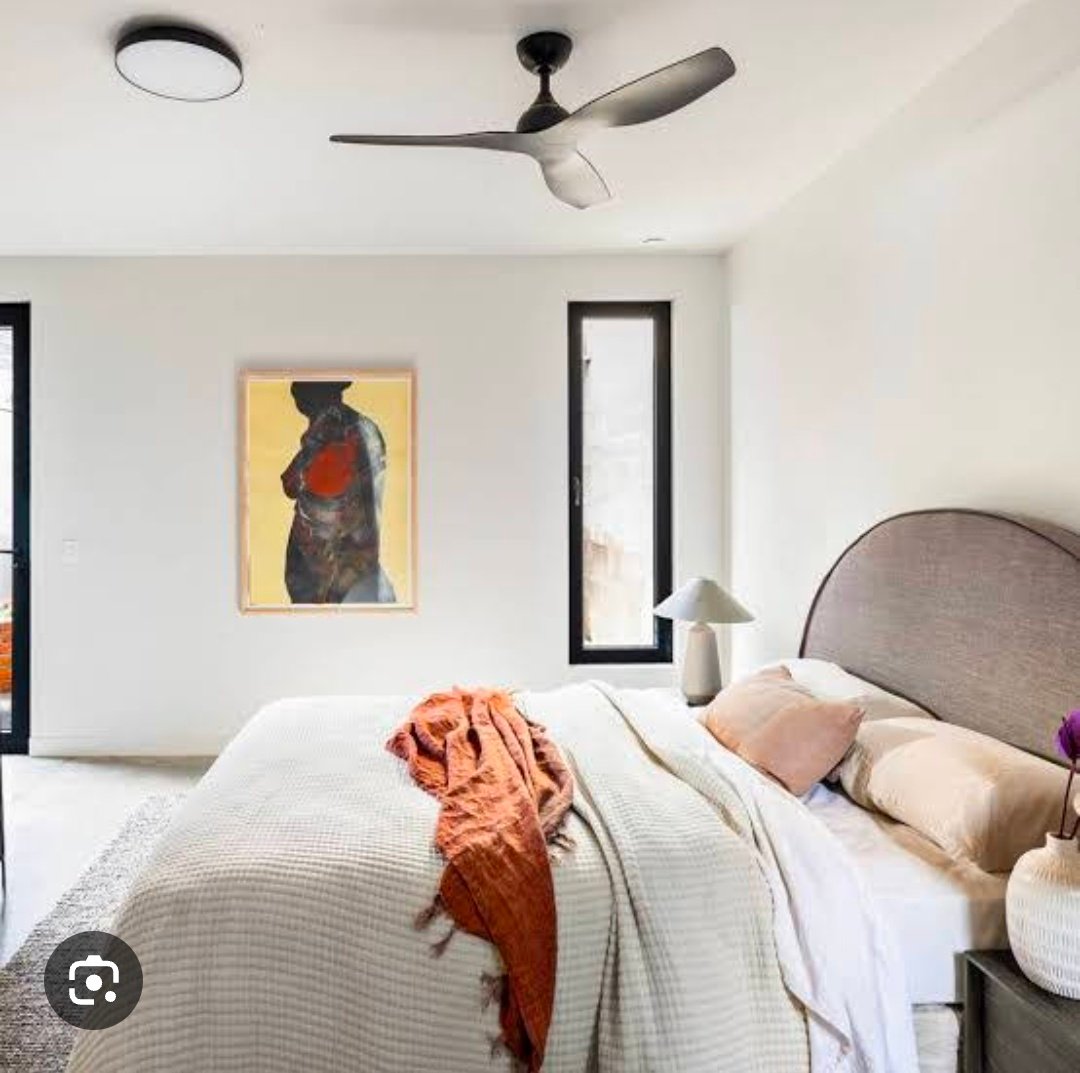
Ceiling fans are more than just functional appliances; they are an integral component of interior design that can enhance both the aesthetics and comfort of your home. In Adelaide, where the climate alternates between warm summers and cool winters, ceiling fans offer an energy-efficient solution to maintaining a comfortable temperature year-round. With an array of styles and features available, selecting the right ceiling fan can be overwhelming. This article will explore key considerations for choosing ceiling fans in Adelaide, including design, functionality, energy efficiency, and installation tips, to help you make an informed decision.
Understanding Climate Needs in Adelaide
Adelaide’s climate is characterized by hot, dry summers and mild winters, making ceiling fans an ideal choice for enhancing air circulation and comfort throughout the year. During summer, ceiling fans can provide a cooling breeze, allowing you to rely less on air conditioning and thus reduce energy consumption. In winter, many ceiling fans come equipped with a reverse function that helps to circulate warm air, keeping rooms cozy and reducing heating costs. Understanding these climate needs is crucial when selecting ceiling fans that will best suit your home in Adelaide.
Ceiling fans are not just about cooling; they are also about optimizing air circulation in your living spaces. In Adelaide, where homes often have open-plan layouts, ceiling fans can efficiently move air through large areas, contributing to a more balanced indoor climate. By choosing fans with multiple speed settings and directional options, homeowners can tailor their fan’s performance to meet their specific needs, ensuring comfort and efficiency across all seasons. Matching the fan’s capabilities with Adelaide’s climatic demands is essential to maximizing their utility.
Design Considerations for Ceiling Fans
When choosing a ceiling fan for your Adelaide home, design is a critical factor to consider. Ceiling fans come in a wide range of styles, from sleek modern designs to classic wooden finishes, allowing you to find a model that complements your interior decor. The size of the fan is also important; larger rooms may require fans with longer blades to effectively circulate air, while smaller spaces can benefit from more compact designs. Additionally, the color and material of the fan should harmonize with the room’s aesthetic to enhance the overall appeal.
Beyond aesthetics, the design of a ceiling fan can influence its functionality and performance. Fans with a high blade pitch are generally more effective at moving air, making them suitable for larger spaces. It is also important to consider the fan’s installation height, as low-profile fans are better suited for rooms with low ceilings. Conversely, rooms with high ceilings may require fans with a longer downrod for optimal air distribution. By carefully considering these design elements, you can choose a ceiling fan that not only looks great but performs efficiently in your Adelaide home.
Energy Efficiency and Ceiling Fans
Energy efficiency is a crucial consideration when selecting ceiling fans, especially in a city like Adelaide, where energy costs can be significant. Ceiling fans are inherently more energy-efficient than air conditioning units, consuming less electricity while providing considerable cooling effects. Look for fans with an Energy Star rating or those equipped with energy-efficient motors to maximize savings. Additionally, models with LED lighting options can further reduce energy consumption, making them an environmentally friendly choice for any home.
The use of ceiling fans can significantly impact your household’s overall energy consumption. By circulating air effectively, ceiling fans can make rooms feel cooler, allowing you to raise the thermostat setting on your air conditioner without sacrificing comfort. This can lead to substantial energy savings over time. In winter, using the reverse function to circulate warm air can reduce heating needs. Investing in an energy-efficient ceiling fan not only benefits the environment but also offers long-term financial savings, making it a wise choice for Adelaide homeowners.
Installation Tips for Ceiling Fans
Proper installation is key to the optimal performance of ceiling fans. In Adelaide, where electrical standards must be adhered to, it is advisable to hire a professional electrician for installation to ensure safety and compliance. Before installation, it’s important to select the appropriate location for the fan, ensuring there is enough clearance from walls and other objects to allow for effective air circulation. The fan should be mounted at least 2.1 meters from the floor and, ideally, 30 centimeters from the ceiling.
Choosing the correct mounting system is also crucial, particularly in homes with varying ceiling heights. For standard ceilings, a flush mount may suffice, while angled or high ceilings may require a downrod extension. Balancing the fan is another essential step to prevent wobbling and ensure quiet operation. By following these installation tips, you can ensure your ceiling fan operates efficiently and safely, providing comfort and style to your Adelaide home.
Maintenance and Longevity of Ceiling Fans
Maintaining your ceiling fan is vital to ensure its longevity and optimal performance. In Adelaide, where dust accumulation can be an issue, regular cleaning of the fan blades and motor housing is important to prevent dirt buildup that can affect functionality. It’s recommended to dust the blades with a soft cloth and use a vacuum attachment for the motor casing. Also, periodically check the fan’s screws and mounts to ensure they remain tight and secure, as loose components can lead to noise and reduced efficiency.
In addition to cleaning, it is important to periodically check the electrical connections and fan settings to ensure they are functioning correctly. Lubricating the motor and other moving parts can also help to maintain smooth operation. Many modern fans are designed to be low-maintenance, but following a regular upkeep schedule can extend the life of your fan and ensure it continues to perform efficiently. By investing time in maintenance, Adelaide homeowners can enjoy the benefits of their ceiling fans for many years.
Conclusion
In conclusion, choosing the right ceiling fans for your Adelaide home involves considering various factors such as design, energy efficiency, and proper installation. Ceiling fans offer a cost-effective way to enhance comfort and reduce energy usage year-round. Located at 29 Anzac Hwy, Keswick, South Australia 5035, Lightspot offers a wide selection of ceiling fans Adelaide residents can rely on for quality and performance. With the right choice, you can enjoy the perfect blend of style and functionality. For more information on ceiling fans Adelaide, contact Lightspot at (08) 8293 1050.

Kent has become one of the UK’s most attractive regions for commercial property investment, offering businesses and investors a combination of excellent transport links, strong economic growth, and diverse commercial opportunities. Whether you’re looking to purchase office space, retail premises, industrial units, warehouses, or mixed-use developments, Kent provides a wide range of options suited to different investment goals. For businesses and investors exploring commercial properties for sale in Kent, understanding the county’s strongest commercial locations can help maximise long-term returns and business success.
Thanks to its strategic position between London and the South East coast, Kent continues to attract national businesses, logistics operators, retailers, manufacturers, and commercial investors seeking well-connected locations with excellent future growth potential.
Why Kent Continues to Attract Commercial Investment
Kent offers several advantages that make it one of the strongest commercial property markets in the South East.
Its proximity to London, access to international ports, excellent motorway network, and expanding business infrastructure have created strong demand across multiple commercial sectors.
Businesses benefit from excellent road connections via the M20, M2, M25 and A2, alongside high-speed rail services linking Kent directly with London. These transport advantages continue to support economic growth while attracting both occupiers and investors.
As businesses increasingly expand beyond London, Kent has become a natural choice for companies looking for more space, better value, and long-term growth opportunities.
Maidstone – Kent’s Commercial Centre
Maidstone remains one of Kent’s most established commercial locations.
As the county town, it offers a thriving business environment supported by office developments, retail centres, industrial estates, and professional service firms. Businesses benefit from excellent motorway access and strong regional transport connections.
Commercial buyers often choose Maidstone because of its diverse economy, established infrastructure, and steady business demand across multiple sectors.
Its continued development also supports long-term investment confidence.
Dartford – Gateway to London
Dartford continues to attract significant commercial investment due to its close proximity to London.
Businesses operating across Greater London and the South East benefit from excellent motorway access via the M25, Dartford Crossing, and nearby logistics routes.
The area’s growing commercial parks, office developments, and industrial estates continue to generate strong demand from businesses seeking strategic locations close to the capital.
Dartford remains particularly attractive for logistics, distribution, and service-based industries.
Ashford – A Growing Business Destination
Ashford has developed into one of Kent’s fastest-growing commercial hubs.
Its excellent rail connections, expanding residential population, and continued regeneration have encouraged businesses across professional services, retail, hospitality, and logistics to establish operations within the area.
Commercial investors increasingly view Ashford as a location offering strong future growth potential alongside improving infrastructure and modern business developments.
The town continues to benefit from public and private sector investment supporting long-term economic expansion.
Canterbury – Retail and Professional Services
Canterbury combines historic character with a vibrant commercial economy.
The city attracts businesses involved in tourism, hospitality, education, healthcare, and professional services while benefiting from a large student population and year-round visitor economy.
Retail premises and office spaces remain particularly attractive due to consistent demand generated by local residents, students, and tourists.
Commercial buyers often appreciate Canterbury’s stable business environment and established local economy.
Medway – Industrial and Logistics Growth
The Medway towns continue to experience significant commercial expansion.
Industrial estates, warehouse developments, manufacturing facilities, and business parks have strengthened the area’s reputation as an important commercial centre within Kent.
Excellent transport connections, skilled workforce availability, and ongoing regeneration projects continue to support demand for commercial premises throughout Medway.
Businesses requiring larger operational space often find excellent opportunities within this growing market.
Tunbridge Wells – Premium Commercial Opportunities
Tunbridge Wells offers a strong commercial market focused on professional services, healthcare, retail, and financial businesses.
The area’s affluent population and established town centre create attractive opportunities for businesses seeking high-quality office space and retail premises.
Commercial investors often value Tunbridge Wells because of its stable local economy and continued demand from professional occupiers.
The town remains one of Kent’s premium commercial locations.
Strong Infrastructure Supporting Growth
Infrastructure investment remains one of Kent’s greatest strengths.
Excellent road networks, international rail services, ports, and proximity to London continue supporting business expansion across the county.
Businesses purchasing commercial property increasingly prioritise locations offering reliable transport for employees, suppliers, and customers. Kent consistently performs well in these areas, making it an attractive long-term investment destination.
Future infrastructure improvements are expected to further strengthen the county’s commercial competitiveness.
Commercial Property Types Available
Kent offers a diverse commercial property market suitable for businesses across multiple industries.
Available opportunities include:
- Modern office buildings
- High street retail units
- Shopping centre premises
- Industrial warehouses
- Distribution centres
- Manufacturing facilities
- Mixed-use developments
- Development land
- Investment portfolios
This diversity allows buyers to identify properties aligned with both operational requirements and long-term investment strategies.
Market Trends Supporting Commercial Buyers
Commercial property demand across Kent continues to benefit from business expansion, infrastructure improvements, and growing investor confidence.
Businesses increasingly recognise the advantages of securing ownership rather than leasing, particularly when planning long-term growth and operational stability.
Recent commercial funding activity has highlighted continued confidence in Kent’s investment market, with commercial property investment opportunities across Kent continuing to attract both businesses and investors seeking strategic acquisitions.
These trends reinforce Kent’s position as one of the South East’s strongest commercial property markets.
Why Businesses Continue Investing in Kent
Purchasing commercial property offers businesses greater long-term stability, increased operational control, and the potential for future capital growth.
Kent provides an ideal environment for businesses seeking strategic locations supported by strong infrastructure, skilled workforces, and growing regional economies.
Whether purchasing office accommodation, retail premises, industrial facilities, or investment properties, buyers benefit from one of the UK’s most diverse commercial markets.
With continued infrastructure investment, expanding business communities, and sustained commercial demand, Kent remains one of the best locations in the South East for businesses and investors looking to secure long-term commercial property opportunities.


A Step-by-Step Guide to Getting Your First Crypto Debit Card

Choosing and Installing the Best Ceiling Fans Adelaide Has to Offer

Discover the Ideal Coworking Space Adelaide Has to Offer: A Guide to BHA Centre

fintechzoom.com crypto halving: Everything You Need to Know About Its Impact on the Market

Revolutionizing Customer Success: The Strategic Guide to AI Customer Support
