
Food
Pravi Celer: The True Celery Revolution

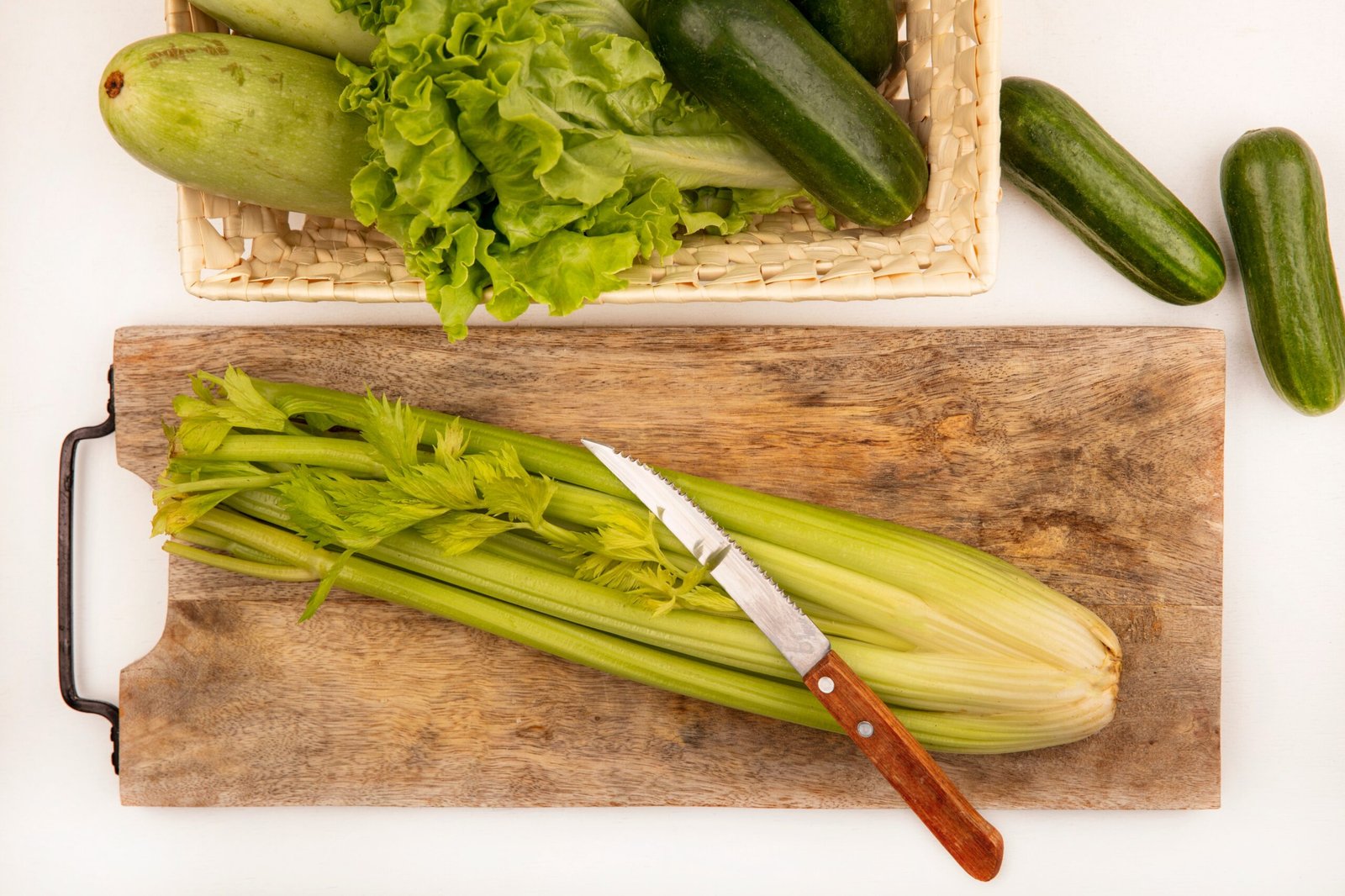
In recent months, a curious term has been making waves across health blogs, culinary forums, and social media platforms: pravi celer. What initially sounds like an exotic new superfood or a mysterious botanical discovery is, in fact, something far more grounded—and far more meaningful. Pravi celer is a traditional Slavic term that translates to “true celery” or “real celery,” referring to the complete and natural form of the plant known as Apium graveolens. But as we will discover, pravi celer represents much more than a simple translation. It embodies a philosophy of whole-food nutrition, sustainability, and a return to traditional ways of eating that modern society is only now beginning to rediscover.
What Is Pravi Celer? A Simple Explanation
At its most basic level, pravi celer comes from South Slavic languages—Serbian, Croatian, and Bosnian. “Pravi” means true or real, while “celer” means celery. Put together, pravi celer literally means “real celery.” However, the phrase does more than simply name a vegetable. It makes a quiet but firm distinction.
The celery most of us reach for at the supermarket is trimmed, uniform, and mild. It does a job, but it lacks character. Pravi celer, by contrast, refers to something older and more complete—the whole plant, grown traditionally, used in full. Stalks, leaves, root, seeds—nothing is removed because it looked inconvenient on a shelf. More specifically, the term often points to celeriac—the large, knobby root variety, Apium graveolens var. rapaceum—which has sat at the centre of Balkan cooking for generations. In kitchens across Serbia, Croatia, and Bosnia, a piece of pravi celer root going into the broth is not a considered choice. It is simply what goes in. What has always gone in. What the soup would taste wrong without.
Read: Masgonzola
To make it simple, think of pravi celer as the original, fresh, green celery plant that people use in cooking, salads, soups, and juices. It is not a new scientific discovery or a special mystery plant. Instead, pravi celer is connected to the everyday celery we already know, but with an emphasis on natural, unprocessed, and traditionally grown produce.
The Origins and Historical Background of Pravi Celer
The story of pravi celer begins thousands of years ago. Celery goes back more than three thousand years. Ancient Greeks and Romans used it primarily as medicine and ceremony—woven into garlands, documented by Hippocrates for digestion, and even found as seeds in Tutankhamun’s tomb. In ancient Greece, celery held symbolic importance and was associated with victory, honor, and spiritual rituals. The Romans expanded its use into everyday cooking and medicine.
The origins of celery can be traced back to the Mediterranean basin, where wild celery naturally thrived in marshy and coastal environments. Over centuries, its cultivation spread across Europe and Asia through trade routes, adapting to different climates and culinary traditions. The plant moved slowly through Europe and found particularly deep roots in Central and Eastern European kitchens. In the Balkans, it became one of the only aromatic vegetables available year-round—fresh through autumn, then dried and stored through winter. That kind of year-round dependability is how an ingredient stops being optional and becomes structural to a cuisine.
The whole-plant tradition of pravi celer comes directly from that history. When a vegetable is precious and seasonal, you use all of it. The leaves get dried. The root goes into the broth. The seeds flavour the winter dishes. Nothing is wasted because waste was never an option. This is the essence of pravi celer—a concept that has sustained communities for centuries and is now being rediscovered by a world hungry for authenticity.
The Cultural Significance of Pravi Celer
The term pravi celer carries cultural depth, especially within Slavic and Balkan communities where language and food traditions are closely connected. The word “pravi” signifies authenticity, purity, and something that remains true to its original form. When combined with “celer,” it highlights the idea of consuming celery in its most natural and unprocessed state, honoring both its flavour and its nutritional value.
In many traditional households, the use of the entire celery plant is considered essential. The stalks, leaves, roots, and seeds are all utilized in cooking, reflecting a philosophy of minimizing waste and maximizing benefits. This approach aligns with broader cultural values of sustainability, resourcefulness, and respect for nature. As a result, pravi celer has become a symbol of holistic nutrition and mindful living.
Beyond its simple definition, pravi celer represents a deeper philosophy rooted in balance, sustainability, and respect for nature. It reflects a lifestyle where food is not only consumed for taste but also valued for its nutritional integrity and healing properties. In modern times, it has gained renewed attention as people seek natural and unprocessed food sources that support long-term health and wellness.
Botanical Characteristics of Pravi Celer
Apium graveolens, the plant known as pravi celer, is a biennial plant that belongs to the Apiaceae family, which also includes well-known herbs and vegetables such as parsley, carrots, and fennel. It thrives in moist, nutrient-rich soil and requires consistent watering to grow properly. The plant develops long, fibrous stalks, deeply green leaves, and a strong, aromatic scent that distinguishes it from other vegetables.
Pravi celer can be categorized into several main varieties, each cultivated for a specific part of the plant. Stalk celery, often referred to as Pascal celery, is the most commonly consumed type in Western countries. It is prized for its crisp texture, mild flavour, and versatility in both raw and cooked dishes. Another significant variety is celeriac, also known as root celery, which is grown primarily for its large, bulbous root.
The plant produces small white flowers arranged in umbrella-like clusters known as umbels, followed by tiny seeds that are highly concentrated in flavour and nutrients. Each part of the plant serves a functional purpose, contributing to its versatility in both culinary and medicinal applications. This botanical structure is one of the reasons why celery has remained an important crop in agriculture and nutrition.
The Nutritional Powerhouse of Pravi Celer
Pravi celer is a nutrient-dense food that can elevate your diet significantly. Packed with vitamins and minerals, it offers an impressive profile for health enthusiasts. This green powerhouse is rich in vitamin K, which plays a crucial role in bone health and proper blood clotting. Additionally, it provides ample amounts of vitamin C, supporting your immune system and skin health.
The nutritional picture matches the flavour intensity. Pravi celer is dense in vitamin K for bone health and blood clotting, vitamin C for immunity, potassium for blood pressure, folate, and fibre. A 100-gram serving of raw celery root provides approximately 37 kcal, about 8.5 grams of carbohydrates (including about 2 grams of fibre), roughly 1.5 grams of protein, and less than 0.5 grams of fat. Its water content sits around 95 percent, which makes it genuinely hydrating in a way that processed food simply is not.
Pravi celer also contains phytochemicals—apigenin, luteolin, phthalides—that research has linked to various health benefits. The dietary fiber found in pravi celer aids digestion and promotes gut health. Fiber also helps maintain healthy cholesterol levels, making this vegetable a heart-friendly choice. Low in calories yet high in nutrients, incorporating pravi celer into meals can be beneficial for weight management. Its hydrating properties further enhance its nutritional value by keeping you refreshed throughout the day.
Rich in antioxidants, pravi celer helps combat oxidative stress. It also boasts anti-inflammatory properties that may reduce the risk of chronic diseases. These compounds play a vital role in supporting overall well-being.
Health Benefits of Pravi Celer
The health benefits of pravi celer are extensive and well-documented across traditional medicine and modern nutritional science. Pravi celer has been used to support kidney function, reduce inflammation, and improve digestion. In traditional medicine, it has been used as a diuretic to help flush excess fluids and is believed to support kidney function.
One standout feature is its high fiber content. Consuming pravi celer promotes healthy digestion and helps maintain satiety throughout the day. Pravi celer contains fiber and natural compounds that help regulate bowel movements and reduce bloating. Its water-rich structure helps maintain hydration, which is crucial for healthy digestion.
Pravi celer also contributes to heart health. Its potassium levels help regulate blood pressure by balancing sodium effects within the body. The vegetable supports cardiovascular health and aids in weight management. Vitamin K supports bone health and helps regulate blood clotting. It is essential for maintaining strong bones and preventing osteoporosis as we age.
In addition to vitamin K, pravi celer contains significant amounts of vitamin A and C. These antioxidants contribute to healthy skin, vision, and immune function. They help combat free radicals that can cause cellular damage over time.
Benefits of pravi celer juice include cleansing the liver, hydrating the body, improving the gut microbiome, reducing inflammation, and boosting skin health. With such diverse benefits packed into one ingredient, it is no wonder pravi celer is gaining popularity among those seeking healthier lifestyle choices.
Culinary Uses of Pravi Celer
What pravi celer actually does in the kitchen is remarkable. A chunk of celer root in a slow broth does something the stalks cannot. It releases a deep earthy fragrance into the liquid—musky, warm, slightly wild—that becomes the base note of the whole dish. It is the thing that makes a homemade soup smell like a homemade soup.
Beyond broth, the root gets diced into meat stews at the very beginning of cooking, shredded raw into salads with lemon and olive oil, roasted until the edges caramelise, mashed quietly alongside potato, or pickled in brine for the cold months. The leaves are dried and crumbled into winter dishes as seasoning. The seeds go into stocks and rubs. Every part earns its place. That is the whole point of pravi celer.
Incorporating pravi celer into your diet can be a delightful adventure. Start with fresh salads—toss chopped pravi celer with greens, cherry tomatoes, and a tangy vinaigrette for an energizing lunch. For snacks, slice raw pravi celer sticks and pair them with hummus or guacamole. If you are in the mood for something warm, add it to soups or stews. Its unique flavour enhances broths beautifully while providing essential nutrients.
Smoothies are another great option. Blend pravi celer with fruits like bananas and apples for a refreshing drink packed with vitamins. Even breakfast can benefit from this versatile vegetable—try mixing finely diced pravi celer into scrambled eggs or omelets for an extra health boost.
Pravi celer can elevate countless dishes with its crisp texture and refreshing flavour. It pairs beautifully with greens. Try adding chopped celery to salads for a satisfying crunch. The vegetable is also excellent for juicing, and many people enjoy pravi celer juice for its cleansing and hydrating properties.
Growing Pravi Celer at Home
For those interested in cultivating their own pravi celer, the plant requires specific conditions to thrive. Pravi celer wants rich soil that holds moisture but still drains well. Because celery is a heat-loving vegetable with a long growing season—roughly 180 to 240 days from sowing to harvest—it requires patience and careful planning.
Pravi celer grows in cool and moist environments. It has long green stalks, leafy tops, and a strong fresh smell. The origins of pravi celer trace back to the Mediterranean region, where celery was first grown thousands of years ago. Over time, it spread across Europe, Asia, and the rest of the world.
Key characteristics of the pravi celer plant include long, crunchy green stalks, light green to dark green leaves, a strong aroma when fresh, high water content, and fast growth in cool climates. Because of these features, pravi celer is widely used in healthy diets and natural remedies.
When someone says pravi celer, they usually mean celery that is fresh, natural, and not processed or packaged for long storage. Regular celery in stores is often the same plant, but it may be grown in large farms or stored longer. Pravi celer is simply a way to emphasize purity and freshness.
What Makes Pravi Celer Different from Regular Celery
In reality, there is no major scientific difference between pravi celer and regular celery. The difference is mostly in naming and perception. However, people use the term pravi celer to highlight fresh and organic celery, naturally grown celery without chemicals, and traditional or “real” garden celery.
Pravi celer is a nutrient-rich celery variety with better taste, higher nutrients, and longer shelf life than regular celery. It is low in calories and high in fiber, water, vitamins, and antioxidants. The emphasis on pravi celer represents a growing movement toward understanding where our food comes from and choosing quality over convenience.
Conclusion
Pravi celer is far more than a trending term or a linguistic curiosity. It is a gateway to understanding a traditional way of eating that honours the whole plant, respects nature, and prioritizes nutrition over convenience. In a world where processed foods dominate supermarket shelves and we have become disconnected from the origins of our meals, pravi celer offers a return to something more authentic.
The concept of pravi celer reminds us that real food does not need to be complicated. It simply needs to be real. Whether you are adding a chunk of celeriac to a slow-cooked broth, shredding it raw into a fresh salad, or enjoying a glass of pravi celer juice for its cleansing properties, you are participating in a tradition that stretches back thousands of years—from the ancient Mediterranean to the kitchens of the Balkans, and now to tables around the world.
As more people search for pravi celer and discover its meaning, they are not just learning about a vegetable. They are rediscovering a philosophy of eating that prioritizes whole foods, sustainability, and the simple pleasure of real, unprocessed ingredients. Pravi celer is not a new superfood or a marketing gimmick. It is a reminder that sometimes, the best things in life are the ones that have been there all along—quiet, humble, and waiting to be truly seen.
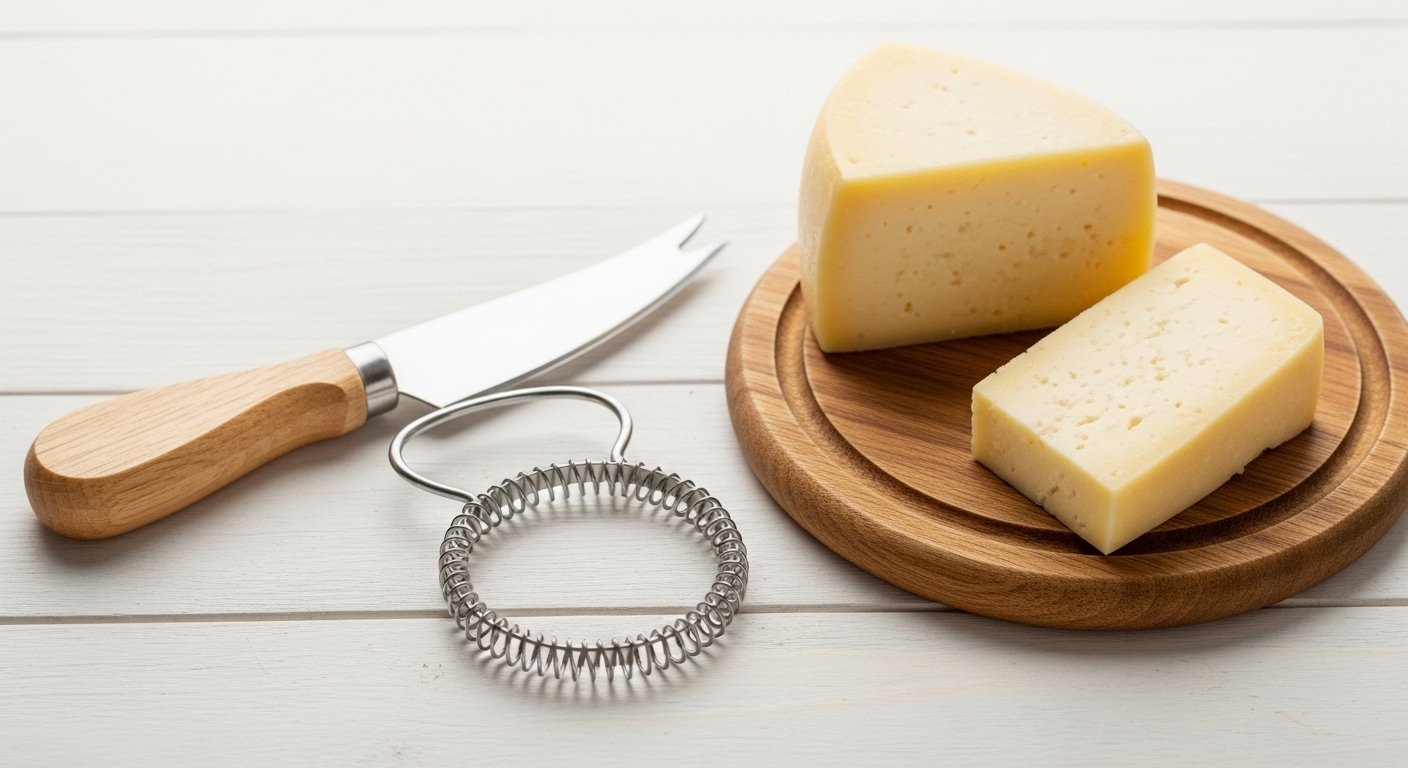
Few ingredients capture the imagination of chefs and home cooks quite like masgonzola. This unique culinary creation bridges the gap between rich, spreadable creaminess and sharp, complex pungency. If you love cheese, understanding how to utilize this extraordinary dairy product will transform your cooking.
Whether you want to elevate a simple weeknight pasta, design an unforgettable charcuterie board, or experiment with bold flavor profiles in baking, masgonzola offers endless possibilities. This comprehensive guide explores everything you need to know about masgonzola, from its origins and production process to the best ways to serve, pair, and store it in your own kitchen.
What Exactly is Masgonzola?
Masgonzola represents a brilliant hybrid in the world of artisan cheese. It combines the buttery, mild characteristics of fresh cream cheese with the earthy, sharp bite of traditional blue cheese. The result is a beautifully marbled masterpiece that boasts a soft, velvety texture alongside ribbons of deep blue or green mold.
Unlike standard blue cheeses, which can sometimes overwhelm the palate with their intense acidity and crumbly texture, masgonzola remains remarkably gentle. The high butterfat content smooths out the sharpest notes of the mold. This creates a balanced, accessible flavor profile that appeals both to blue cheese aficionados and those who generally prefer milder varieties.
Read : alaskan seiti
When you bite into masgonzola, you first experience a wave of sweet cream. Seconds later, the complex, slightly spicy notes of the blue veining emerge, leaving a lingering, savory finish. This duality makes it one of the most versatile ingredients you can keep in your refrigerator.
The Fascinating Origins of Masgonzola
To truly appreciate masgonzola, we must look at how it came to be. Like many of the world’s greatest culinary inventions, its creation was born of a desire to solve a problem. Cheesemakers historically struggled to introduce people to the robust flavors of blue-veined cheeses. Many consumers found the taste too aggressive.
Artisans in the dairy-rich regions of Northern Italy began experimenting with blending techniques. They took the curds used for rich, dessert-style cheeses and introduced the Penicillium roqueforti mold used in pungent blue varieties. By layering fresh, high-fat curds with the mold spores, they created a cheese that aged differently from standard wheels.
The high moisture and fat content slowed the aggressive growth of the mold. It allowed the veining to develop slowly and softly. The resulting cheese, masgonzola, quickly gained popularity among local chefs who recognized its potential. It offered the visual appeal and sophisticated taste of a blue cheese, but it melted beautifully and carried a luxurious mouthfeel. Today, artisan producers around the world have adopted these techniques, creating distinct regional variations of masgonzola.
How Masgonzola is Made: The Crafting Process
Creating high-quality masgonzola requires incredible precision, patience, and skill. The process involves several distinct stages, each crucial to developing the final texture and flavor.
Selecting the Milk
The foundation of any great cheese is the milk. Premium masgonzola requires milk with an exceptionally high fat content. Most producers use whole cow’s milk enriched with additional cream. This extra cream ensures the final product will have the signature soft, spreadable consistency that sets it apart from traditional firm cheeses.
Curdling and Inoculation
Cheesemakers heat the enriched milk and add specific starter cultures and rennet to separate the curds from the whey. At this critical juncture, they introduce the mold spores. Unlike standard blue cheese, where the mold aggressively takes over the curd, the high fat content in masgonzola creates a protective barrier. The mold grows in delicate, intricate patterns rather than dense pockets.
Layering and Pressing
Workers gently scoop the curds into molds. They handle the curds delicately to retain as much moisture as possible. The cheese is not pressed heavily. Instead, it relies on its own weight to drain off the excess whey. This gentle approach keeps the internal structure open, allowing air to circulate.
Piercing and Aging
Because mold requires oxygen to grow, artisans pierce the wheels of cheese with long copper or stainless steel needles. This process, known as “needling,” creates small air channels inside the cheese. Over the next 60 to 90 days, the wheels rest in temperature-controlled caves. As they age, the striking blue veins develop along these air channels, while the surrounding cheese matures into a rich, buttery paste.
Flavor Profile and Texture: What to Expect
Understanding the sensory experience of masgonzola will help you use it more effectively in your culinary projects.
The Mouthfeel
The texture of masgonzola is uniquely captivating. Straight from the refrigerator, it feels firm but yields easily to a knife. As it comes to room temperature, it transforms into a deeply spreadable, almost frosting-like consistency. It lacks the chalky or crumbly texture associated with many aged cheeses. Instead, it coats the palate with a luxurious, velvety richness.
The Taste Notes
The flavor journey of masgonzola happens in three distinct phases:
- The Initial Sweetness: The first taste is reminiscent of fresh farm cream, carrying notes of sweet butter and mild lactic tang.
- The Earthy Middle: As the cheese melts on your tongue, the blue veins release their flavor. You will notice hints of damp earth, toasted mushrooms, and mild white pepper.
- The Savory Finish: The finish is long and complex. It leaves a pleasant, umami-rich saltiness that begs for a sip of wine or a bite of fresh fruit.
Culinary Applications: Cooking with Masgonzola
Because it perfectly balances sweet creaminess and savory sharpness, masgonzola shines in a vast array of dishes. It melts seamlessly into sauces, provides a stunning contrast in baked goods, and stands strong on its own.
Incorporating into Pasta Dishes
Masgonzola makes an exceptional base for pasta sauces. Unlike traditional blue cheeses that can separate or become grainy when heated, the high cream content here ensures a silky, emulsified sauce. Simply toss warm fettuccine or gnocchi with a generous dollop of masgonzola, a splash of pasta water, and toasted walnuts. The cheese melts instantly, creating a luxurious sauce that clings perfectly to every noodle.
The Perfect Pizza Base
If you want to elevate your homemade pizza, swap out your traditional tomato sauce for a thin layer of masgonzola. Its rich profile pairs beautifully with sweet toppings. Try topping a masgonzola-based pizza with thinly sliced fresh figs, caramelized onions, and a drizzle of balsamic glaze. The heat of the oven turns the cheese into a bubbling, savory cream that contrasts beautifully with the sweet toppings.
Elevating Meats and Vegetables
A compound butter made with masgonzola adds incredible depth to grilled meats. Blend equal parts softened butter and masgonzola, roll it into a log, and chill it. Place a slice of this butter on top of a hot steak right off the grill. As it melts, it creates a rich, self-basting sauce. It also works wonderfully spooned over roasted root vegetables or whipped into mashed potatoes for an unexpected twist.
Unexpected Desserts
Do not restrict masgonzola to savory applications. Its inherent sweetness makes it a brilliant addition to sophisticated desserts. You can whip it with powdered sugar and vanilla to create an extraordinary frosting for chocolate cupcakes or carrot cake. The slight tang of the mold cuts through the heavy sweetness of the sugar, resulting in a perfectly balanced, adult-friendly dessert.
Pairing Masgonzola: Wine and Accompaniments
Building the perfect cheese board requires an understanding of how flavors interact. Masgonzola demands accompaniments that respect its delicate balance of fat and funk.
Wine Pairings
When selecting a wine to serve alongside masgonzola, you want something that can cut through the rich butterfat while complementing the mold.
- Sweet Wines: A classic pairing involves dessert wines like Port, Sauternes, or late-harvest Riesling. The syrupy sweetness of these wines contrasts beautifully with the salty, savory bite of the cheese.
- Robust Reds: If you prefer red wine, look for something with bold fruit notes and soft tannins. A fruity Zinfandel or an Amarone works well, as the dark berry flavors align nicely with the earthy cheese.
- Crisp Whites: For a lighter pairing, a crisp, highly acidic white wine like an unoaked Chardonnay or a Sauvignon Blanc helps cleanse the palate between rich bites.
Fruits and Nuts
Fresh and dried fruits are essential companions for masgonzola. Fresh figs, sliced crisp pears, and green apples offer a refreshing crunch and natural sweetness. Dried apricots and dates provide a chewy texture and concentrated sugar that highlights the savory notes of the cheese.
For crunch, toasted nuts are indispensable. Walnuts, pecans, and hazelnuts all share earthy flavor profiles that echo the natural taste of the cheese. Try drizzling the cheese and nuts lightly with a high-quality, aromatic honey to tie everything together.
Nutritional Benefits of Masgonzola
While masgonzola is undoubtedly an indulgent ingredient, it also provides several notable nutritional benefits. As a dairy product, it serves as an excellent source of dietary calcium, which supports bone health and muscle function. It also contains a solid amount of high-quality protein to help keep you full and satisfied.
Furthermore, because masgonzola is a fermented food, it contains beneficial compounds. The Penicillium roqueforti mold and the lactic acid bacteria used in its production can contribute to a healthy gut microbiome. While the high fat content means you should enjoy it in moderation, you can certainly incorporate it into a balanced, nutrient-rich diet.
How to Properly Store Masgonzola
To maintain the optimal texture and flavor of your masgonzola, proper storage is absolutely critical. This cheese requires a delicate balance of moisture and airflow.
Never wrap masgonzola tightly in standard plastic wrap. The plastic suffocates the living mold and traps excess moisture, which can cause the cheese to spoil prematurely or develop an unpleasant ammonia smell. Instead, wrap the cheese in specialized cheese paper, which allows it to breathe while retaining the correct moisture level. If you do not have cheese paper, wrap it first in parchment paper or wax paper, and then place it loosely in a plastic bag or container.
Store the wrapped cheese in the warmest part of your refrigerator, typically the vegetable crisper drawer. This protects it from extreme temperature fluctuations. Always remember to take the cheese out of the refrigerator at least forty-five minutes before serving. Masgonzola only reveals its true, creamy texture and full spectrum of flavors when it reaches room temperature.
Where to Buy High-Quality Masgonzola
Finding the best masgonzola requires looking beyond the standard supermarket dairy aisle. While some high-end grocery stores may carry mass-produced versions, you will find the most expressive and delicious wheels at dedicated cheese shops.
When visiting a cheesemonger, ask to taste the masgonzola before purchasing. The veining should look bright and distinct, and the paste should appear moist and creamy, never dried out or yellowed at the edges. If you do not have a local specialty shop, numerous reputable online purveyors ship high-quality artisan cheeses directly to your door. Look for producers who emphasize small-batch methods and transparent sourcing for their milk.
Final Thoughts
Masgonzola stands out as one of the culinary world’s most versatile and delightful creations. By bringing together the finest elements of rich cream cheese and complex blue cheese, it offers a flavor profile that can enhance almost any meal.
Whether you are melting it into a rich sauce, spreading it over a warm piece of crusty sourdough, or serving it alongside fresh fruit and sweet wine, masgonzola delivers an unforgettable tasting experience. By understanding its origins, mastering its culinary applications, and treating it with the respect it deserves in storage and preparation, you can unlock the full potential of this remarkable artisan cheese in your own kitchen.

In the vast, icy waters of the North Pacific, few seafood varieties capture attention quite like alaskan seiti. Known for its delicate flavor, versatility, and nutritional value, alaskan seiti has become an increasingly popular choice among chefs, seafood lovers, and health-conscious consumers. As global demand for sustainable and high-quality seafood grows, alaskan seiti stands out as a remarkable option that combines taste, sustainability, and affordability.
From its origins in the cold Alaskan seas to its role in modern cuisine, alaskan seiti represents more than just a fish—it symbolizes the richness of marine ecosystems and the importance of responsible fishing practices.
Understanding alaskan seiti
Alaskan seiti refers to a type of white fish commonly found in the pristine waters surrounding Alaska. It is often associated with species like Pacific pollock, known for its mild taste and flaky texture. This fish thrives in cold, nutrient-rich environments, which contribute to its high quality and nutritional value.
The waters of Alaska are among the cleanest and most carefully managed in the world. Strict regulations and sustainable fishing practices ensure that fish populations remain healthy and ecosystems are preserved.
It is harvested in these conditions, which play a significant role in its quality. The cold environment slows the fish’s growth, resulting in firmer flesh and a cleaner taste compared to fish from warmer regions.
Fishing communities in Alaska rely heavily on species like alaskan seiti for their livelihoods. Generations of fishermen have developed techniques that balance productivity with conservation, ensuring that this resource remains available for the future.
Nutritional Benefits of alaskan seiti
One of the key reasons for the growing popularity of alaskan seiti is its impressive nutritional profile. It is a powerhouse of essential nutrients that support overall health and well-being.
High in Protein
It provides a rich source of lean protein, which is essential for muscle growth, repair, and overall body function.
Low in Fat
Compared to many other protein sources, alaskan seiti is low in fat, making it an excellent choice for those aiming to maintain a balanced diet.
Rich in Omega-3 Fatty Acids
Omega-3 fatty acids are crucial for heart health, brain function, and reducing inflammation. Alaskan seiti offers a moderate amount of these beneficial fats.
Vitamins and Minerals
It contains important nutrients such as vitamin B12, selenium, and phosphorus, which contribute to energy production, immune function, and bone health.
Culinary Uses of alaskan seiti
Alaskan seiti’s mild flavor and firm texture make it incredibly versatile in the kitchen. It can be prepared in a variety of ways, each bringing out different aspects of its taste.
Grilled and Baked Dishes
Grilling or baking alaskan seiti enhances its natural flavor while keeping it light and healthy. Adding herbs, lemon, and spices creates a simple yet delicious meal.
Fried Favorites
In soups and stews, alaskan seiti absorbs flavors beautifully, adding depth and richness to the dish.
Processed Seafood Products
It is also commonly used in products like fish sticks, imitation crab, and seafood patties, making it accessible to a wide audience.
Sustainability and Environmental Impact
- Monitoring fish populations to prevent overfishing
- Protecting marine habitats
- Reducing bycatch and waste
- Implementing advanced tracking systems
As a result, It is widely regarded as a sustainable seafood option, making it a preferred choice for environmentally conscious consumers.
Economic Importance of alaskan seiti
Alaskan seiti plays a vital role in the economy of Alaska and the global seafood market. It supports thousands of jobs in fishing, processing, distribution, and retail.
Export markets for alaskan seiti span across Asia, Europe, and North America. Its affordability and versatility make it a staple in both high-end restaurants and everyday meals.
Additionally, the processing industry adds value by transforming raw fish into ready-to-cook and ready-to-eat products, further expanding its market reach.
Health Trends and Growing Demand
As people become more health-conscious, the demand for nutritious and sustainable food options continues to rise. Alaskan seiti fits perfectly into this trend.
Consumers are increasingly looking for:
- Lean protein sources
- Low-calorie meal options
- Sustainable and ethically sourced foods
Alaskan seiti meets all these criteria, making it a popular choice among fitness enthusiasts, families, and individuals seeking healthier lifestyles.
Challenges Facing alaskan seiti
Despite its many advantages, the alaskan seiti industry faces several challenges:
Climate Change
Changes in ocean temperatures and ecosystems can affect fish populations and distribution patterns.
Market Competition
Competition from other seafood sources and farmed fish can impact pricing and demand.
Supply Chain Issues
Global logistics, transportation costs, and market fluctuations can influence availability and pricing.
Addressing these challenges requires continued innovation, strong regulations, and collaboration among industry stakeholders.
Innovation in the Seafood Industry
Technology is playing an increasingly important role in the harvesting, processing, and distribution of alaskan seiti.
Innovations include:
- Advanced fishing equipment that reduces environmental impact
- Improved freezing and preservation techniques
- Digital tracking systems for supply chain transparency
- AI-driven analytics for sustainable resource management
These advancements help maintain quality while ensuring sustainability and efficiency.
Global Culinary Influence
It has found its way into cuisines around the world. Its adaptability allows it to blend seamlessly with different culinary traditions.
- In Asian cuisine, it is used in hot pots, stir-fries, and sushi alternatives
- In European dishes, it appears in baked recipes and seafood platters
- In North America, it is a staple in fast food and home-cooked meals
This global presence highlights its versatility and widespread appeal.
The Future of alaskan seiti
The future of alaskan seiti looks promising as sustainability and health continue to drive consumer choices. With ongoing advancements in technology and responsible fishing practices, the industry is well-positioned for growth.
Emerging trends include:
- Increased demand for sustainable seafood
- Expansion into new international markets
- Development of innovative seafood products
- Greater consumer awareness about nutrition and sourcing
As these trends evolve, alaskan seiti is likely to remain a key player in the global seafood market.
Conclusion
Alaskan seiti represents a perfect balance of taste, nutrition, sustainability, and economic value. From its origins in the pristine waters of Alaska to its role in kitchens worldwide, it continues to gain recognition as a premium seafood choice.
Its versatility in cooking, combined with its health benefits and eco-friendly harvesting practices, makes it an ideal option for modern consumers. As the world moves toward more sustainable and health-conscious eating habits, alaskan seiti stands out as a symbol of responsible consumption and culinary excellence.


A Step-by-Step Guide to Getting Your First Crypto Debit Card

Choosing and Installing the Best Ceiling Fans Adelaide Has to Offer

Discover the Ideal Coworking Space Adelaide Has to Offer: A Guide to BHA Centre

fintechzoom.com crypto halving: Everything You Need to Know About Its Impact on the Market

Revolutionizing Customer Success: The Strategic Guide to AI Customer Support
